Amazon CEO Andy Jassy is "very bullish on agentic commerce." He's just not in any rush to let other AI platforms access Amazon's customers.
In an interview with The Information last week, Jassy addressed the growing pressure on Amazon as competitors like Walmart, Target, and Shopify join Google's Universal Commerce Protocol—opening their product catalogs to AI agents that can browse and transact across retailers.
Jassy's take? Third-party AI agents "haven't been great yet." They lack buying history, personalization, and accurate pricing. All true. But he also acknowledged Amazon is "having conversations with lots of people" about integration.
When pressed on whether Amazon would work with OpenAI specifically, Jassy framed it as a negotiation: "There needs to be the right value exchange between the agents and between the retailers themselves."
Translation: Amazon will play ball eventually, but only on their terms.
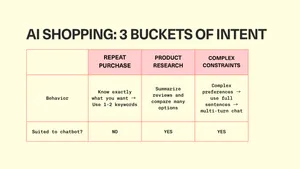
What struck me most was his confidence that consumers will choose Rufus over third-party alternatives: "If it's a good agent, like we've been building with Rufus... you're right there and you can one-click shop."
He's betting that convenience and purchase history outweigh the appeal of cross-retailer comparison. But is that bet paying off?
SPONSOR: MIRAKL ADS
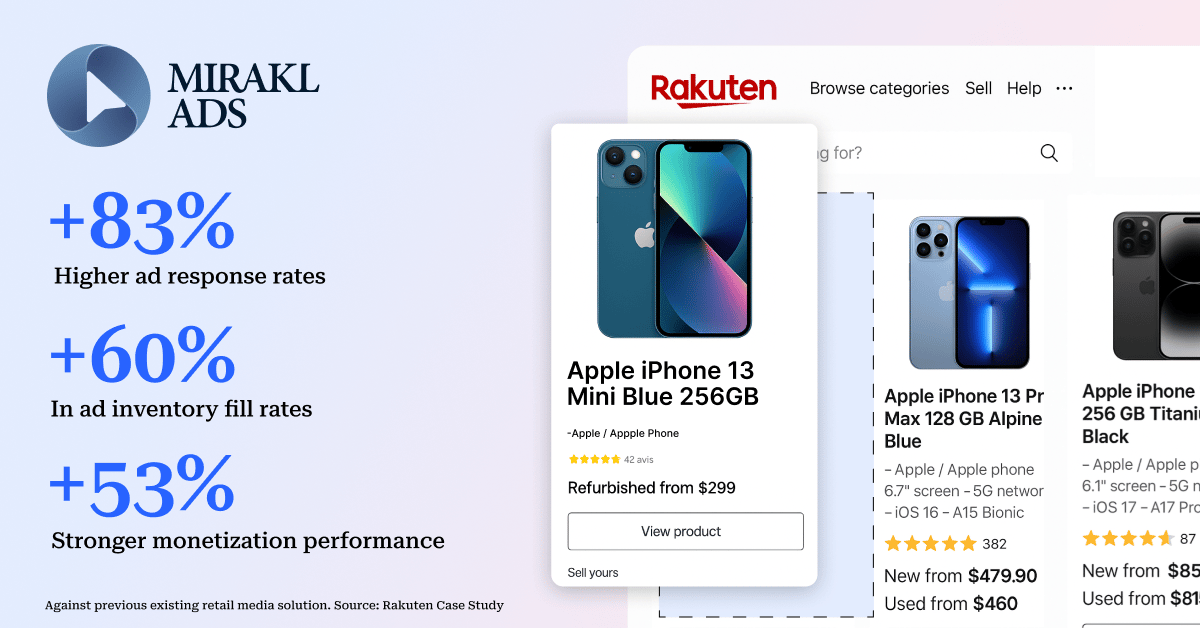
Did you know leading retailer media networks drive 85% of their ads revenue through mid- and long-tail advertisers?
Mirakl Ads provides full funnel ad formats tailored to both 1P and 3P advertisers, leveraging unique AI-capabilities that provide unprecedented levels of relevance and engagement.
Retailers who want to capture ad spend from the long tail of 3P marketplace sellers use Mirakl Ads in their tech stack.
The View from Outside Amazon's Walls
I explored this question recently on the Ecommerce Braintrust podcast with my old colleagues at Bobsled/Acadia, Julie Spear and Jordan Ripley last week. The conversation surfaced a dynamic that Jassy's comments don't fully address: Amazon isn't just competing with other retailers anymore. It's competing with the AI layer that sits above all retailers. (You can listen to the full episode here)
It’s an interesting role reversal.
Amazon is currently on the front foot with new technology—Rufus is miles ahead of any shopping assistant other retailers have. But now Amazon looks defensive. And while Rufus may be best-in-class, I'm not convinced that a single-retailer AI assistant is what consumers want for every shopping journey. Many will prefer something more agnostic.
The Universal Commerce Protocol is exactly that agnostic layer. When Walmart joins Google's Gemini shopping experience alongside Shopify, Target, and Wayfair, they're acknowledging that some consumers want AI tools that work across their options—not within a single retailer's ecosystem.
The Showrooming Evolution
Here's the stat that should concern Amazon: Salesforce found that 30% of shoppers globally now pull up an LLM when they're in a physical store. Among Gen Z and millennials, it's 40%.
Think about what that means. I remeber back in the mid 2010’s, the early days of mobile commerce, "showrooming" meant going into a store and checking Amazon for a better price or more reviews. You'd augment the in-store experience with the Amazon app. That behavior is flipping. Now shoppers are reaching for ChatGPT or Gemini instead of Amazon.
Amazon built its dominance partly by being the default "second opinion" during shopping journeys. That behavior is migrating to AI platforms that aren't controlled by any single retailer.
The Buy for Me Backlash
Amazon has tried to extend beyond its walls. Their "Buy for Me" agent, which purchases products from external websites on behalf of customers, has been around for months. But the public reaction has been harsh—small businesses complained they never agreed to sell through Amazon, and their products weren't being represented correctly.
Meanwhile, OpenAI and others are building similar capabilities without the same backlash. The difference? Perception. Amazon is seen as a competitor trying to extend its reach. ChatGPT is seen as a neutral tool.
Why Retailers Want to Stay in the Game
So why are other retailers rushing to integrate with third-party AI while Amazon holds back?
It comes down to remaining the merchant of record. If you're building a handshake between your systems and third-party AI agents, you still want to be the one completing the transaction. That's where the downstream value lives: returns, customer service, access to transaction data that powers retail media, and loyalty program engagement. Retailers joining UCP aren't surrendering control—they're ensuring the purchase still flows through their systems even when discovery happens elsewhere.
Amazon's reluctance to participate means they're betting customers will come directly to them anyway. Jassy said as much: "People still largely start with Amazon who shop on Amazon."
The Narrowing Window
Jassy's confidence may be warranted today. Amazon's selection, pricing, and Prime shipping remain formidable advantages. Rufus is genuinely good.
But the 30% of shoppers already reaching for ChatGPT in-store suggests the window for that bet is narrowing. The question isn't whether Amazon will eventually integrate with third-party AI—Jassy all but confirmed they will. It's whether they're moving fast enough, or whether their defensive posture lets competitors establish the new rails of AI-powered commerce while Amazon waits for "the right value exchange."
Amazon has time. But the competitors joining UCP are building muscle memory with consumers and AI platforms right now. When Amazon eventually decides the terms are right, they may find the table has already been set without them.
More related posts from me:
At NRF, Retailers Say "Bring On All The Bots"
For a decade, retailers fought to keep bots off their websites. Now, they are racing to welcome AI shopping agents.
Amazon is playing agentic commerce chicken. Other retailers should not.
Amazon can afford to wait out the agent revolution. Everyone else can't.
How To Be Right About AI, And Still Lose
You can be totally right that a technology is transformative, and still be completely wrong about who wins and where the value goes.
Until tomorrow,
Kiri