No-one running a retail media network today has an incentive to sound the alarm on what AI-enabled commerce is doing to their business model. They're unlikely to be in that job – or even that company – before the bill comes due.
That was the contrarian take I landed on at the end of a recent conversation with James Deaker on his Yield Doctor podcast. James asked me at the very end of the interview to name one belief retail media executives currently hold that I think is wrong.
But before I get to that, James set up the structural vulnerability earlier in the interview better than I could have. So let's start there.
The Endemic Partner Difference
James said that when he first started working with retail media companies, it struck him that they have to pay more attention to their partners and advertisers. "When I was at Yahoo, I'm ashamed to say to some extent we didn't worry if an advertiser wasn't seeing the performance, because there were 100 or 1,000 others who would be next in line for that same impression," he said. "Often you see in retail media that particularly the endemic partners, the ones who are already working with the retailer, as the owner of the retail media network, you have to pay them special attention."
James is right. At Yahoo, advertisers were interchangeable. At Home Depot — where I was at their upfronts a few weeks back — the advertiser base is largely endemic. If a paint brand pulls back, there isn't another paint brand waiting in line to fill that exact slot.
That dynamic is the foundation retail media is built on. The endemic relationship is king.
But if the discovery, comparison, and decision-making all happen upstream, before hitting any retailer 'surfaces' (the retailer website or app), then those endemic partners are paying for ad inventory that's increasingly disconnected from where their customer actually got persuaded.
Which brings me to the contrarian answer.
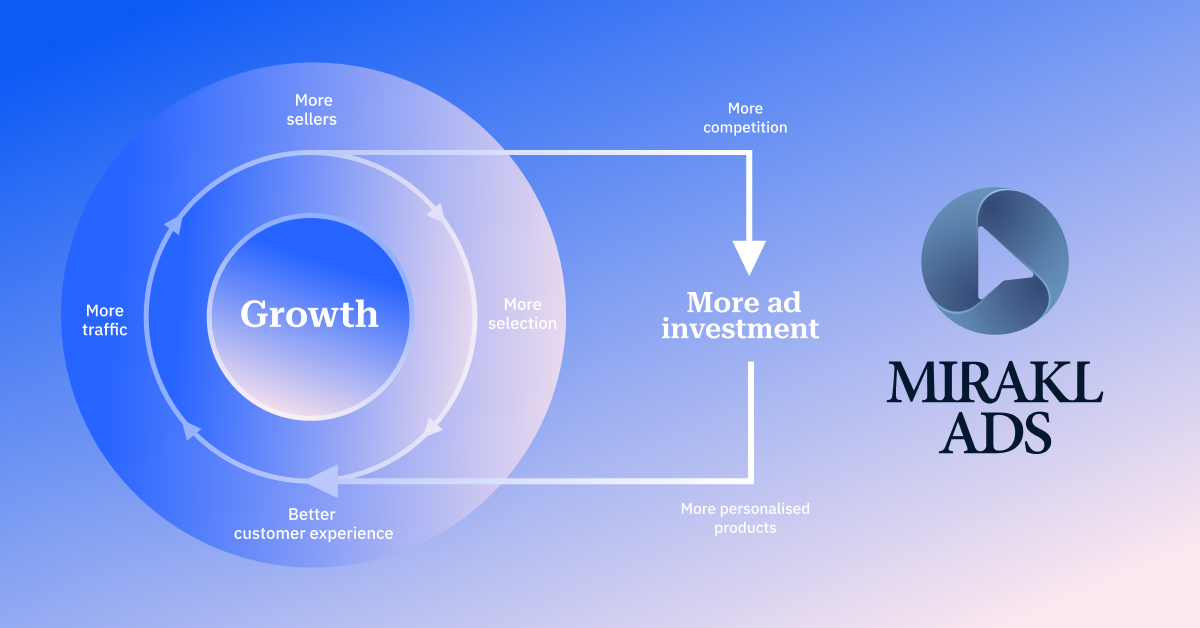
Mirakl Ads is the only retail media solution designed for both 1P & 3P marketplace brands. Why does that matter?
Marketplace sellers demand a seamless advertiser experience that still offers full-funnel ad formats. And retailers need a flexible solution that allows you to scale your media business.
The Belief I Think Is Wrong
James asked: "If you had to pick one belief about retail media networks that executives currently have but which you believe is wrong, what would that be and why?"
I said that AI-enabled commerce is a serious threat to retail media that is not being taken seriously because the timeline doesn't really line up with the tenure of people running these media networks.
If I'm the head of a retail media network, I'm thinking about how I'm going to hit my numbers this year and next year... and that might be as far out as I can plan.
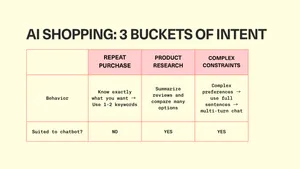
The looming threat of AI-enabled shopping (diminishing behavioral signals, changing traffic patterns) is far enough out that there's not much of an incentive to sound the alarm on this and spook their advertisers.
So this is something I think is a serious problem – because it is not close enough for anyone to really start talking about.
Retail media doesn't die, sponsored product ads don't die, but the places where they live get reconfigured. Where retailers need to invest, their ad inventory needs to change. They need to think about where are the durable surfaces, where can they be competitive, how can they have an honest partnership with brands to grow the category rather than this 'extraction tax' kind of perception that there is now.
The average tenure of a retail media network leader is short. The disruption we're talking about — meaningful shifts in where consumers do discovery and how much behavioral data retailers can capture — plays out over a longer horizon than any one leader's KPIs.
So if you're running a retail media network in 2026, the rational move is to keep growing the existing surfaces, hit your numbers, and let your successor deal with the structural problem. Sounding the alarm now means spooking the endemic advertisers James and I were talking about — and as I told James, those advertisers might just take that money and put it into ChatGPT instead. (Who, by the way, is blasting ahead on advertising features)
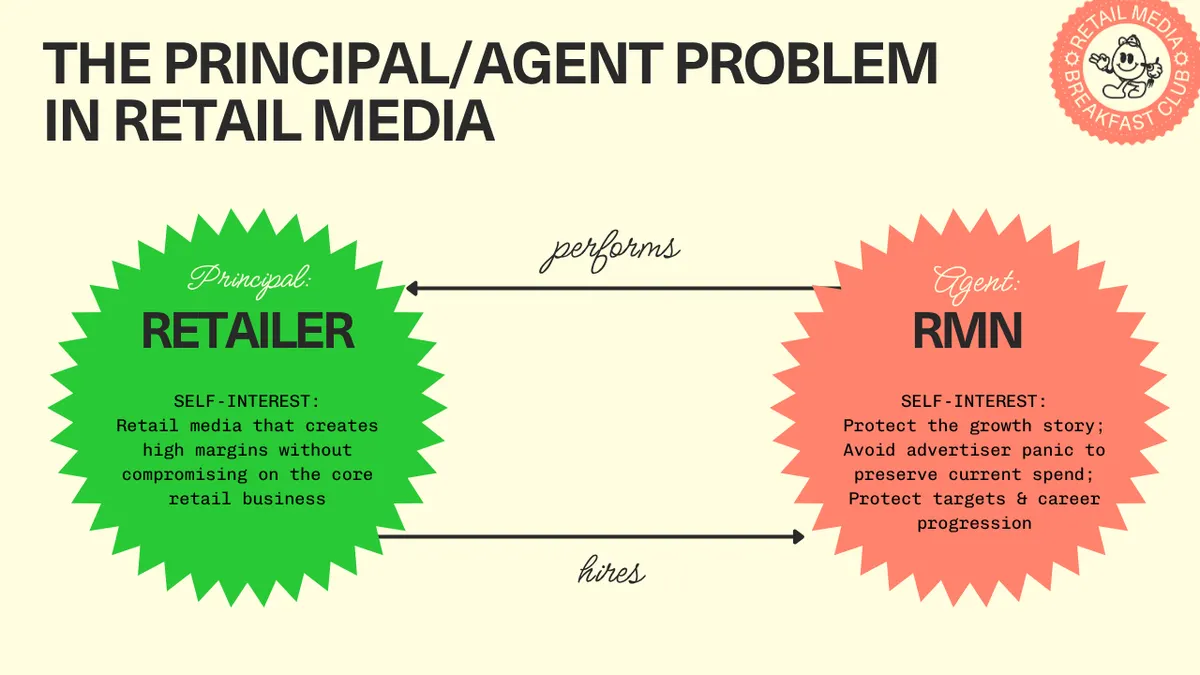
It's a principal-agent problem. The principal (the retailer, the long-term enterprise) needs the alarm rung. The agent (the leader running the P&L this year) is incentivized to keep quiet.
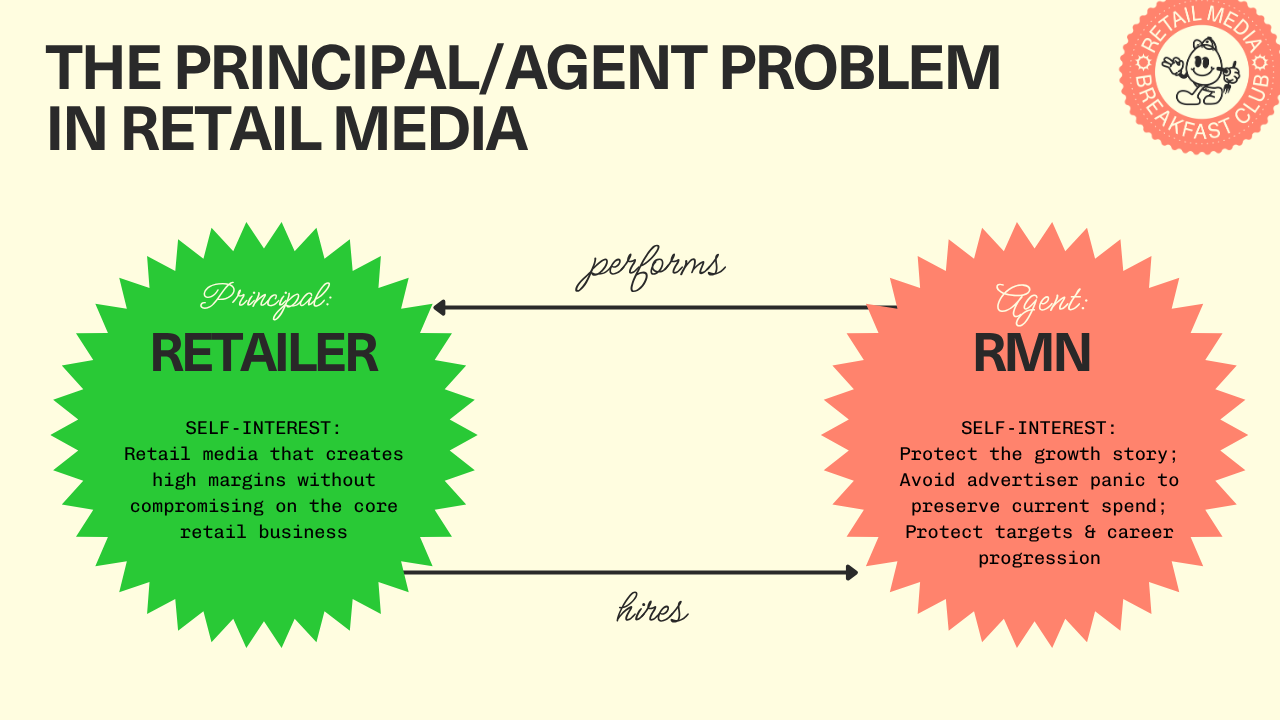
Sam Khoury from Marketecture recently said nearly the same thing on the ADSN podcast — that "people are generally trying to hide a little bit from it and hoping that it just goes away." (Read more in 'The Biggest Change in My Lifetime' — Marketecture CSO on AI Shopping)
Now What
Speaking of incentives, what's my incentive for taking this position?
It's not a very smart business move for a publication that's quite literally framed around the business of retail media. My readership is retailers, brands who buy the media, and the ecosystem of tech and services vendors who serve them. The better commercial position would actually be to prop up the existing model and dismiss the concerns. In fact, I'd likely have a better roster of potential sponsors for doing so. As a pundit, I feel compelled to call things as I see them.
And yet, I've said it before but it bears repeating: I'm not predicting the death of retail media. Sponsored products don't die. The endemic partner relationship doesn't disappear.
But the surfaces get reconfigured. The places where ad inventory lives need to shift toward whatever proves durable in an AI-mediated journey — in-store networks, post-purchase touchpoints, loyalty programs, the moments when the shopper is actually present in the retailer's ecosystem rather than just passing through to complete a transaction they decided on elsewhere.
Listen to the full conversation on the Yield Doctor podcast with James Deaker.
PS: catch me at Xnurta's Signal To Scale Summit in Chicago
The retail media teams pulling ahead right now aren't just optimizing campaigns. They're rethinking the infrastructure and decision layers underneath them.
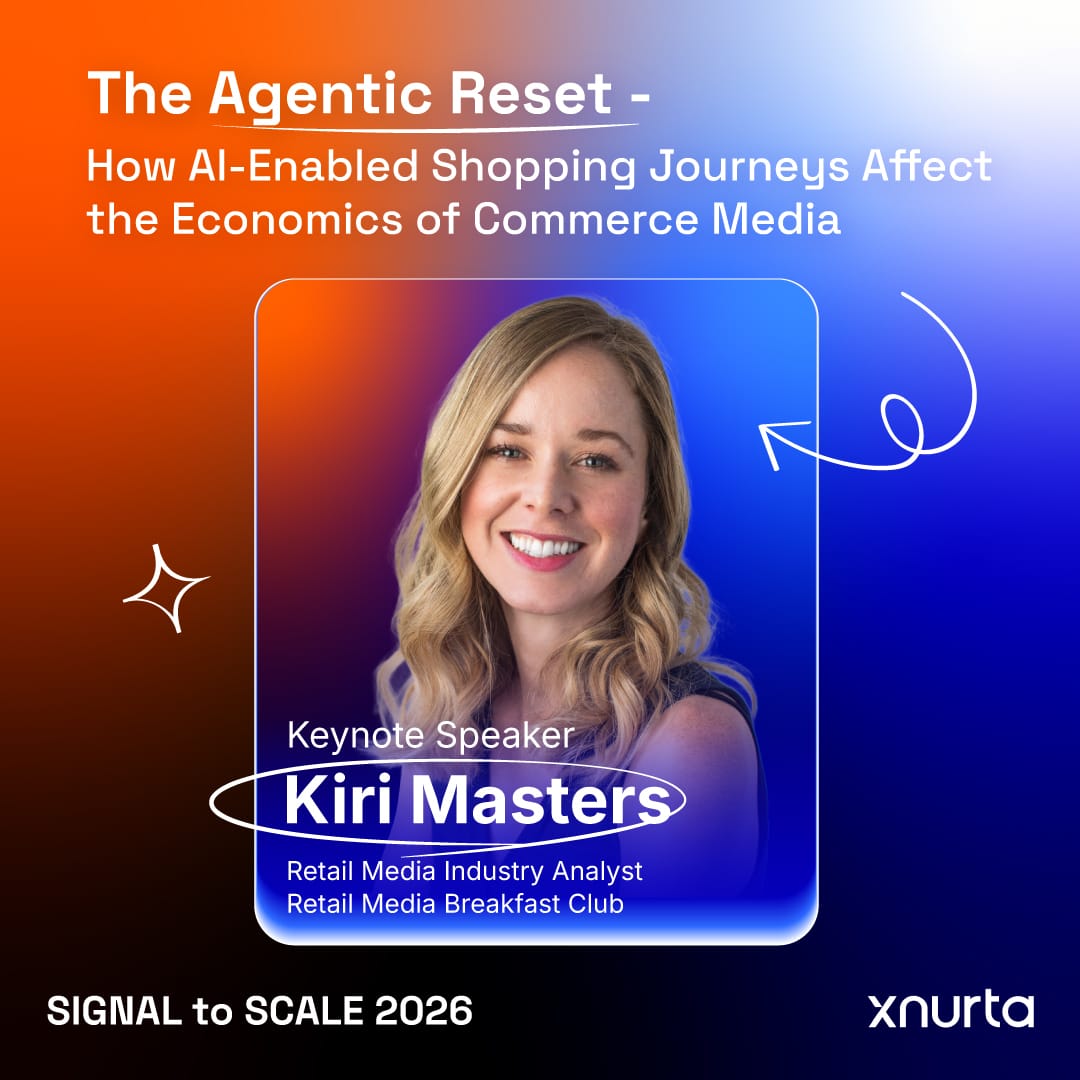
That's the conversation happening at Xnurta's Signal to Scale summit on May 19 in Chicago, and I'm opening the day as keynote speaker.
My talk, The Agentic Reset, uses the rise of self-service retail as a historical lens to explore what AI could actually change next: how consumers discover products, how intent gets captured, and how retail media creates value in that new world.
This is the room to be in if you're serious about what comes next. 10+ industry experts and a full day of sessions built to be actionable.
Seats are going fast. Reserve yours here