
I cook a lot. My family eats at home for the vast majority of meals — not out of obligation, but preference. Most days around 4PM I put on my slippers, throw on a podcast, get my kitchen appliances going (my daily drivers are my Thermomix and air fryer) and slide into recipe-land for an hour or so.
But as a result of this delicious hobby, I am constantly buying groceries.
And that part is often just not fun.
The "people love to shop" pushback
"Shopping is fun" is the most common pushback I hear to the concept of AI-enabled shopping — and especially the still-conceptual idea of agentic shopping. People love to go to the store, to touch and feel fabrics, to squeeze their own avocados. Why would they hand that over to a robot?
And look, I love a good dose of retail therapy too. The thrill of the hunt, the satisfaction of knowing I got the very best thing.
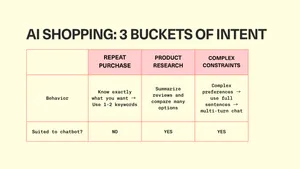
But not all shopping missions are created equal. Some are repetitive: I always need milk. Some have well-defined parameters: in coffee I'm brand-loyal, in milk I'm not. And sometimes the fun part has already happened — the recipe planning — and what's left is just executing a list.
Recent FMI research bears this out. While many Americans say they enjoy grocery shopping overall, their actual behavior is more operational: 83% make lists, 79% take household inventory before shopping, 69% meal-plan, and 60% actively seek coupons or discounts.
SPONSOR: MIRAKL ADS
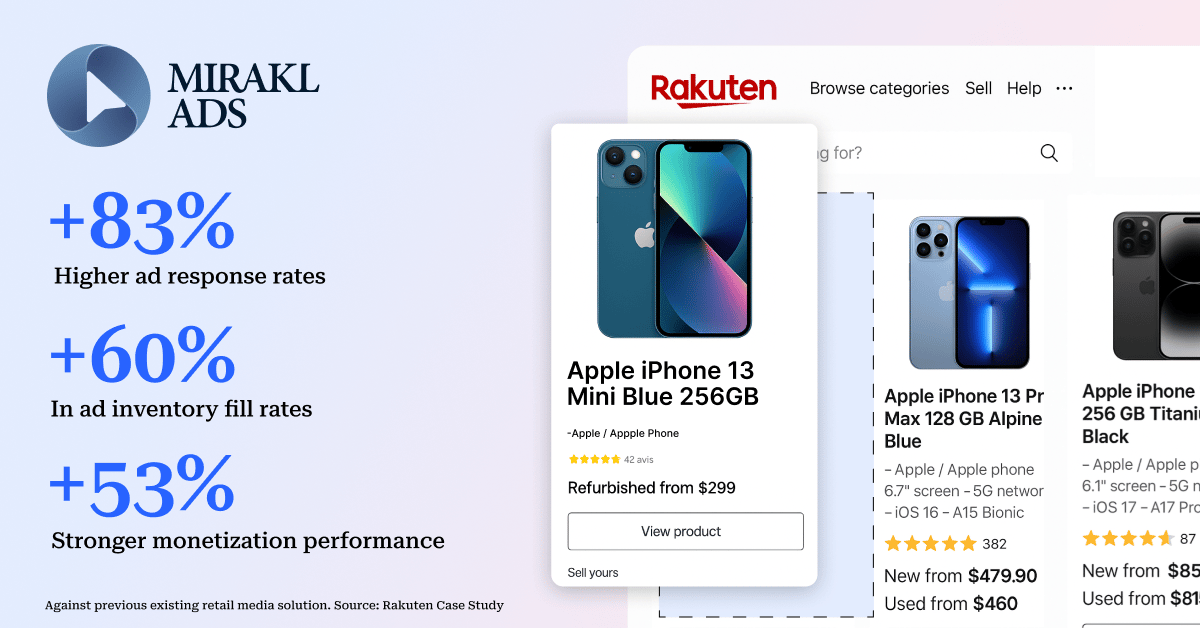
Retailers know that a marketplace model can dramatically boost product assortment, shopper engagement, and total revenue.
But, to get the most out of your marketplace, you need an ad tech solution that can really engage sellers.
Mirakl Ads is powering the future of retail media for leading retailers — to activate both 3P sellers and 1P brands.
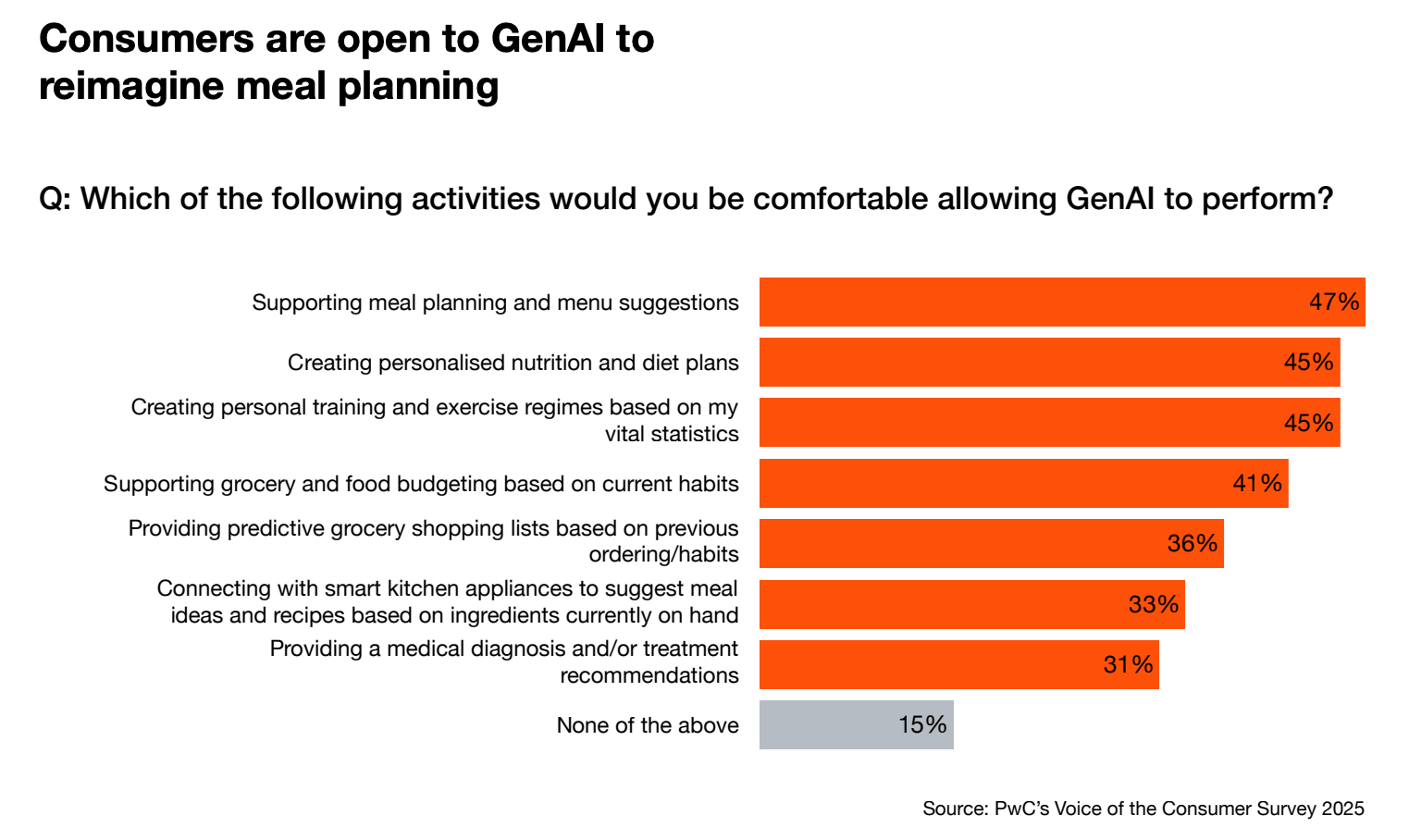
And consumers are already signaling where they'd welcome AI help. PwC's 2025 consumer survey found 47% are comfortable letting generative AI help with meal planning, 41% with grocery budgeting, and 36% with predictive shopping lists based on order history. The pattern is clear: people are most open to delegating the parts they find tedious, and least open to handing over the parts they enjoy.
What retailer apps still lack
Andrea Leigh, founder and CEO of Allume Group, recently posted on LinkedIn about using ChatGPT to build a browser extension that automates her grocery shopping on Fred Meyer's website. With three teenagers in the house, Andrea buys a lot of food, but it doesn’t exactly spark joy:
"I HATE grocery shopping. Why do I have to add 25+ list items to my cart one by one?"
So she spent a couple of hours iterating with ChatGPT, gave it her rules — prefer "buy again" items, clip coupons if they exist — and now she can dump in her entire list and the extension adds everything to her cart while she does something else.
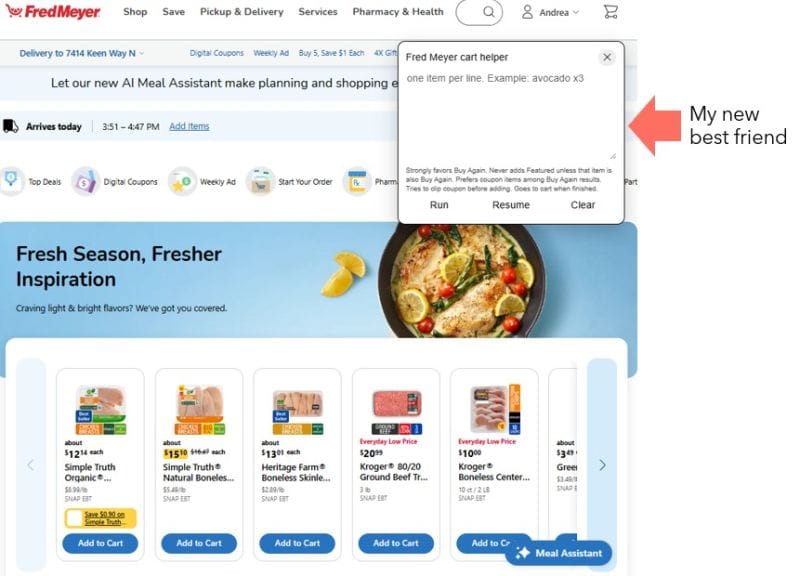
More than a dozen people in her network immediately asked how to do it themselves.
What stood out to me about Andrea's post: even for someone as tech-savvy as Andrea, a longtime entrepreneur and former Amazon exec, it took hours of tinkering and a self-described "maybe sketchy" browser extension to get this working. The demand is there. The tools aren't.
You might wonder: haven't grocery retailer apps already solved the drudgery problem? Most now offer subscribe-and-save, frequently bought items, reorder lists, even recipe integration.
Not quite. As one commenter on Andrea's post put it:
"My weekly grocery app has really tried hard on this... we've had favourites, regulars, instant shop and recurrent orders... All useful, but none quite crack the messy middle: some items are every week, most are some weeks but not all, and yes... we get bored of the same flavour very quickly."
That was Bérengère Chaintreau-Fuchs, the Global Panel Director at Profiles by Kantar. She went on to note that the grocery platform itself has years of granular weekly shopping data — and that a good use of AI would spot the patterns and know when to suggest something new.
She's right. The tools retailers have built so far assume shopping is either fully routine (subscribe and save) or fully manual (browse and add). The reality is messier, and most grocery shopping lives in between.
But don't people want to squeeze their own avocados?
This ^ is the trust question.
Grocery delivery companies discovered early on that one of the hardest trust gaps to close was produce. Not whether shoppers wanted convenience, but whether they trusted someone else to pick subjective fresh items correctly. Instacart says bananas are its number-one selling item — more than 1.8 billion delivered to date — and also the item with the highest volume of Shopper Notes (written instructions for shoppers), because ripeness preferences are so personal.

The company is now applying the same approach to avocados, letting customers specify whether they want firm ones for later in the week or ripe ones for tonight's guacamole.
And the trust question extends beyond produce. In a recent Quad/Harris Poll, 81% of consumers agreed it's easier for brands to misrepresent product quality online than in-store. Touch and inspection still matter.
But I keep coming back to this: these are engineering problems, not permanent features of consumer psychology. Instacart built a whole feature around banana ripeness notes called ‘Preference Picker’. FreshDirect, as far back as 2003, was building separate temperature-controlled rooms for different types of produce and running internal quality-control apps.
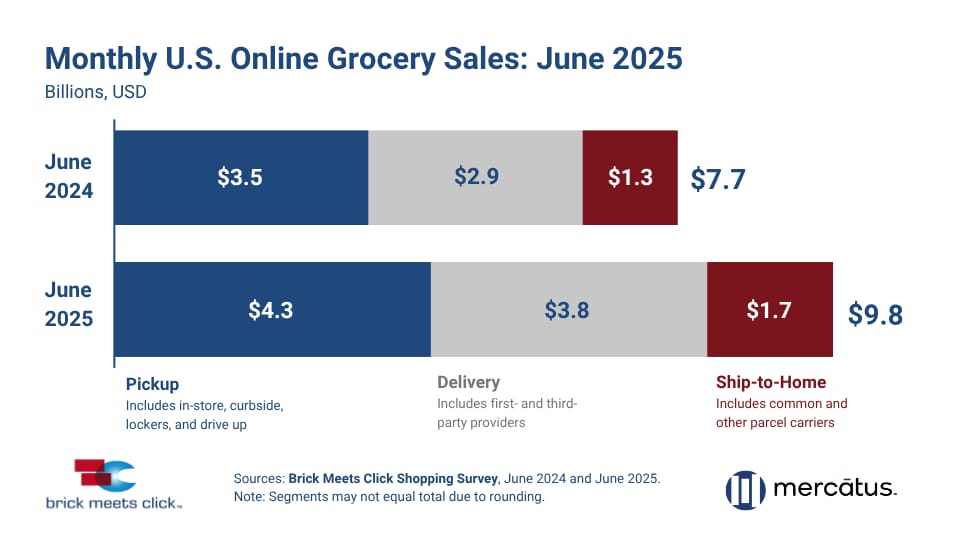
The trust gap in grocery delivery caused major friction — but with the right technology, it eventually narrowed. Today online grocery sales growth outpace in-store sales growth.
The real barrier isn't psychology — it's the tech
I spent 10 minutes last Sunday deciding which meals to cook this week. That was fun. Then I spent 20 minutes manually adding those items to my online grocery cart. That was not.
Part of that time included looking for ways to make the process faster. It's 2026, after all. But no — I had to go item by item and find products where I already have clear parameters for what I want.
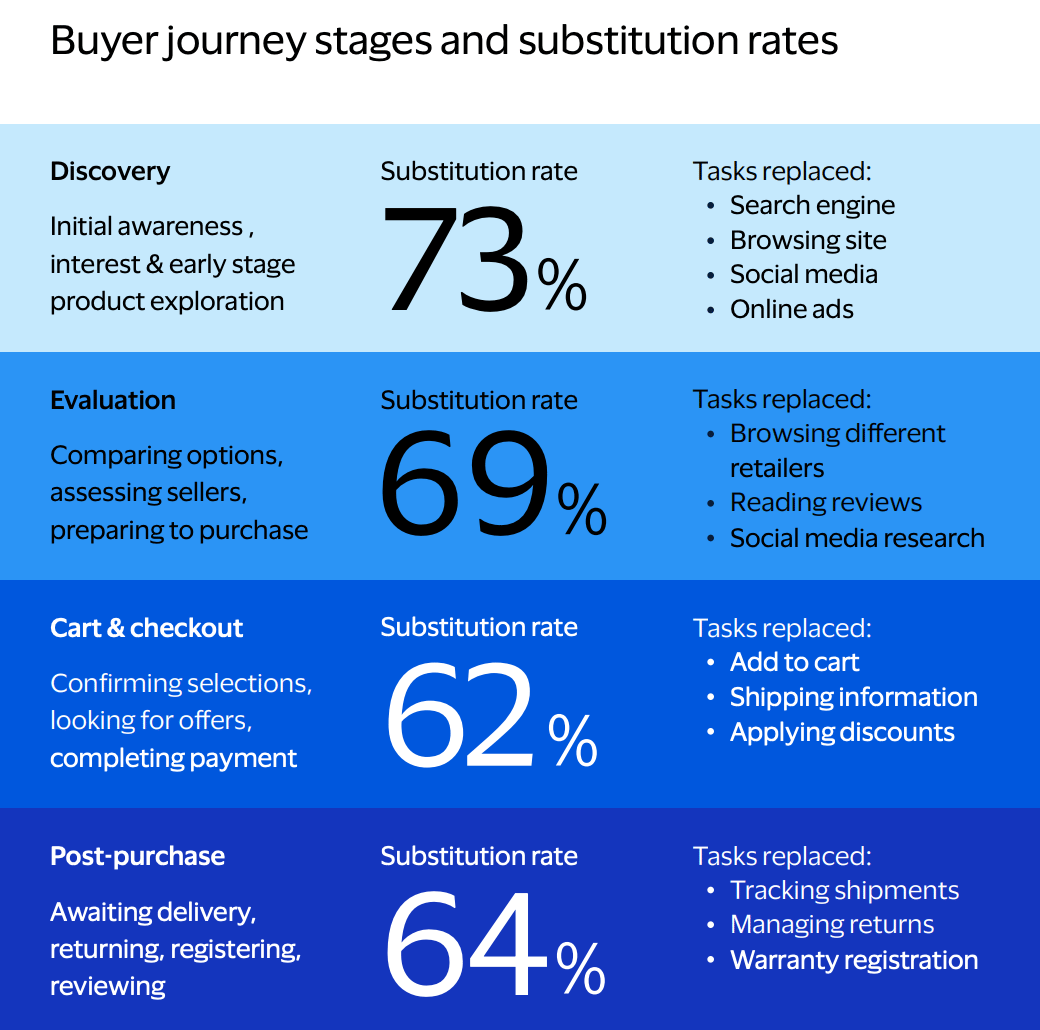
The consumer-grade experience for agentic grocery shopping simply doesn't exist yet. OpenAI pulled back from in-app checkout earlier this year, acknowledging that its initial version didn't offer the flexibility merchants needed. The company is now letting merchants use their own checkout flows while it focuses on improving product discovery. You can try using an AI web browser like Comet to shop, but most retailer websites aren't built to accommodate AI bot navigation easily.
Meanwhile, Visa's 2025 consumer survey finds consumer interest in offloading tasks to AI shopping assistants. Roughly two-thirds of consumers use or would use AI shopping agents to save time and find better prices. But about 50% fear “decisions made without me.” Those aren't people saying "no" outright — they're people saying "not until I trust it.
Easy As Pie
For my husband's birthday last week, I made a key lime pie from scratch. Squeezed the limes by hand, made the graham cracker crust, the whole production. That was fun — genuinely one of my favorite things to do.
What wasn't fun was the trip to get key limes, sweetened condensed milk, and graham crackers. I already knew exactly what I needed. I just needed someone — or something — to go get it.
This is how behavior changes. Not with a single dramatic shift, but on the fringes — with people like Andrea spending two hours wrangling ChatGPT into a grocery automation tool because the real thing doesn't exist yet. As she put it: "Maybe the future of agentic commerce is everyone building their own little tools to solve their own little problems."
For the people saying agentic shopping won't have broad appeal: sure, not yet. Because the technology to make it easy, safe, and trustworthy doesn't fully exist. But the desire does. And if this industry has taught me anything, it's that consumer behavior follows capability — sometimes faster than anyone expects.