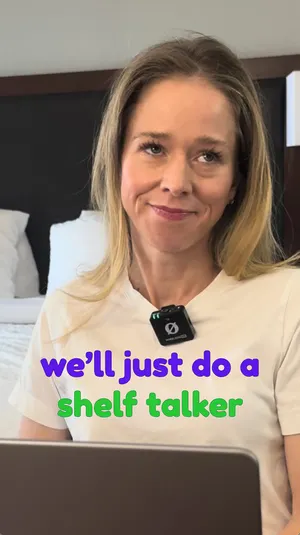

I recently started a new Instagram account for the Retail Media Breakfast Club. I have 28,000 followers on LinkedIn. On Instagram, I have under 200.
Starting from zero is confronting in a way I had almost forgotten about.
It's brought back a feeling I haven't had in a while — will people like this, will they think I'm an idiot, will my life be over. Anyone who has put something of themselves online knows this feeling. It doesn't go away. It just gets quieter. Until you start something new, and its loud again.
I've been writing online for business in this space since 2015. For the first two years, I was a complete nobody. I didn’t have so much imposter syndrome because let’s be real, practically no-one read it. But as it happens, I was in the right place in the right time, building my content muscle and decent SEO. In 2017, I pitched an editor at Forbes. My first pitch went completely unread and unanswered. My second pitch a few months later landed, and I became a paid contributor.
(To be clear: there are people who pay to write for Forbes, and there are people who get paid to write for Forbes. I was the latter. The fact that this distinction requires explanation still irks me — and yes, that's my own defensiveness, I know.)
No one knew who I was. No one trusted me. I had no money for marketing, no investors, nothing. I produced a brand out of writing and educating — and it took two years of writing into the void before anything resembling traction showed up.
SPONSOR: MIRAKL ADS
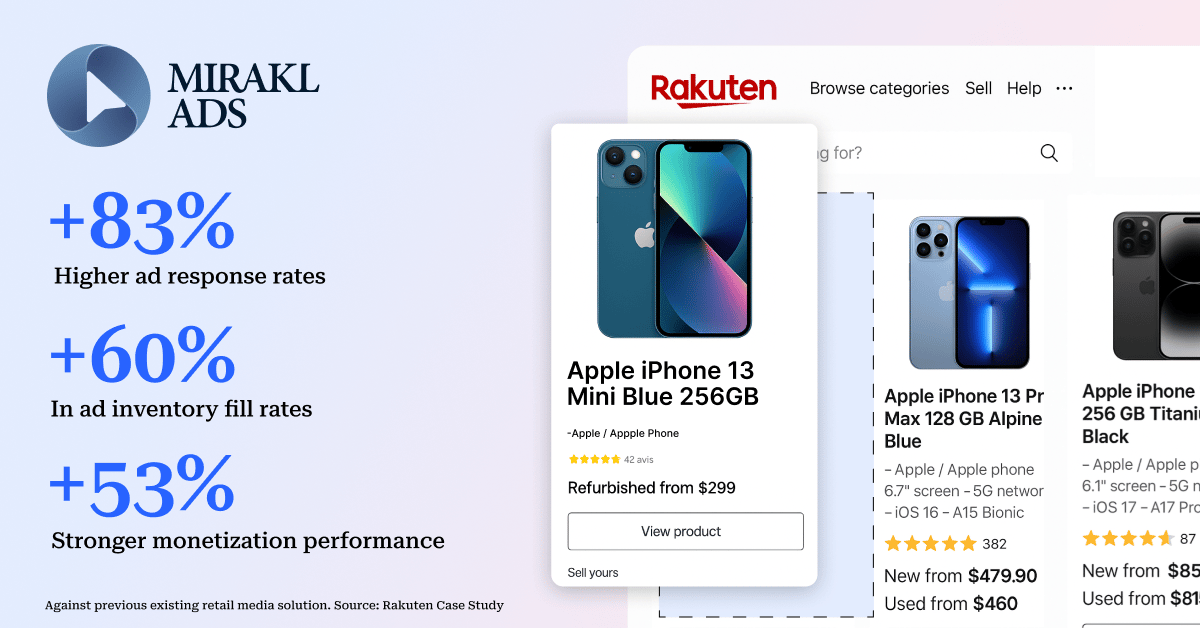
Retailers know that a marketplace model can dramatically boost product assortment, shopper engagement, and total revenue.
But, to get the most out of your marketplace, you need an ad tech solution that can really engage sellers.
Mirakl Ads is powering the future of retail media for leading retailers — to activate both 3P sellers and 1P brands.
Ideas come from quantity
People sometimes ask me where the ideas come from. Honestly, this question kind of fascinates me, because I have a list of things I want to write about that far exceeds anything I could publish in advance. Inspiration can come from absolutely anywhere — you'll sit in on a panel and there'll be some scrap of a sentence someone said that you write down. You'll be in a webinar and think: what if I delivered a retail media wrap report as an actual rap. You write it down. You sit with it. Most don't make it.
Whether you need taste before volume, or whether volume is how you develop taste — that's a more nuanced conversation for another newsletter. I have a view on it, and it might not be popular. But I’ll just say that once your eyes and ears are attuned to a topic, you start to see content ideas all around you.
Ideas also come from not getting it totally right the first time
Corrections and mistakes happen — let's be real, at four or five articles a week, there are trade-offs to make. I never want to be inaccurate, and when I am, I correct it. But more often, what the comments surface is that there's more to the story. A part two. A slice of history I missed, a perspective I'd flattened…. I welcome that.
I wrote about Rufus and its memory capabilities back in August 2025 — things have changed remarkably since then, and the retake that will be published for my column at The Drum this week was in some ways the more valuable piece. A fast-moving space produces an infinite amount of content if you're willing to revisit your own thinking.
The middle of the room
Even after 10 years in ecom and retail media, I still have a lot of blind spots in this industry.
I am a relative newcomer to the world of ad tech — last year I wasted hours and hours of smart people's time asking basic questions about how retail media ad tech worked, because I simply didn't know. But that embarrassing process forced me to map out some basic diagrams of how ad dollars actually flow through the ecosystem. When I published them, I assumed I was probably just the only one too uninformed to have never grokked how any of this worked.
I was not.
Enough smart, experienced people reached out privately to confide that they'd never really understood various parts of it either — and that having it dumbed down was, quietly, exactly what they needed.
That's what I mean about “the middle of the room”.
And it's not just the newcomers who benefit. There's a multitude of people in this industry who come with deep experience in one area and a blind spot in another. The way I think about it: there are four sides to this space:
- Retailers (and you could even split that again into the retail media side and the merchant/merchandising side)
- Brands (the media buyers)
- Tech and solution providers on the sell side (who work with retailers)
- Tech, solution providers, and agencies on the buy side (who represent brands)
Most people have heavy experience in one or two of those disciplines. They don't fully understand the fears, motivations, and incentives of the others.
That's the middle of the room. Hanging out there as an observer — and occasionally a translator — is, it turns out, a perfectly valid place to work from.
What’s next
Which brings me back to Instagram, and being a noob again.
I've started experimenting with a new content format — short-form comedy videos about retail media— for the same reason I started writing in 2015. Because it's a format I believe in, and the only way to get good at something is to be bad at it first, publicly, for longer than feels comfortable. I've had to take this tiny little muscle I didn't have and start to build it. It makes me a little bit uncomfortable, in a good way.
The middle of the room can be an intimidating place to stand up. But it's where the most interesting ideas tend to come from.
I'll let you know how it goes.