Apparel is one of the most SKU-intensive categories sold online. Endless variations of size, color, fit, fabric — and you can't patent most of it. Which means the usual competitive moats (pricing power, distribution exclusivity, brand equity) have eroded fast in the marketplace era. So when Gildan's Head of Connected Commerce and Media gets on a podcast and starts talking openly about how they think about measurement, org structure, and full-funnel strategy, I pay attention. That kind of candor from a brand is rare.
Jason O'Toole and Katie Tripodi from Gildan — the parent company behind Hanes, Maidenform, Bali, and Playtex — joined hosts Sri and Peter on the CPG Guys podcast a few days ago. The conversation covered a lot of ground including TikTok shop and digital shelf management, but what caught my ear was Jason's framing of how brand and commerce media relate to each other.
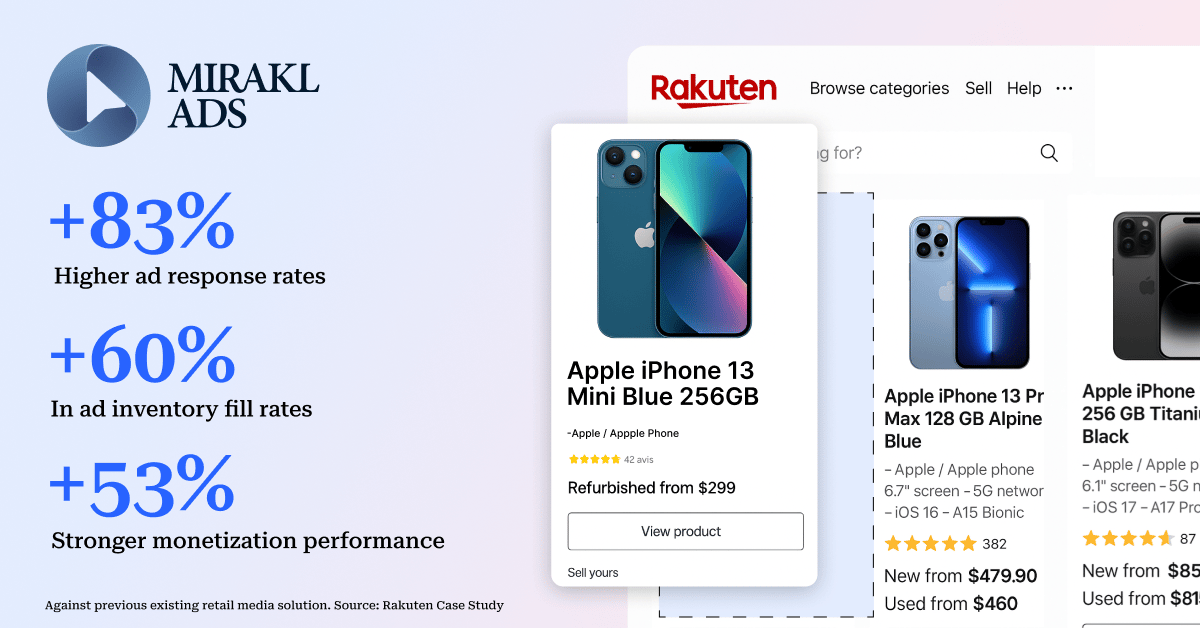
Retailers know that a marketplace model can dramatically boost product assortment, shopper engagement, and total revenue.
But, to get the most out of your marketplace, you need an ad tech solution that can really engage sellers.
Mirakl Ads is powering the future of retail media for leading retailers — to activate both 3P sellers and 1P brands.
Brand Media Lowers the Tax You Pay on Growth
From Jason:
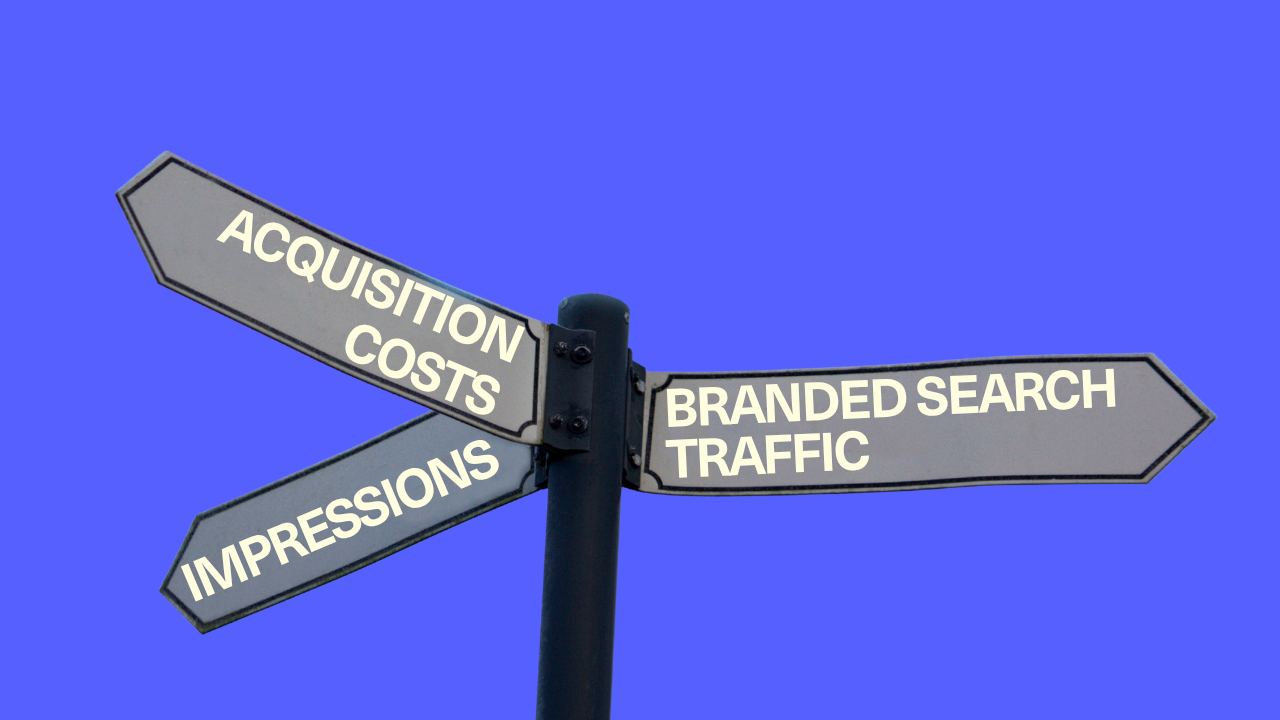
"In building our connected commerce and media capability, we've developed a measurement framework that considers all stages of the funnel. Brand and commerce media sitting on separate teams has never quite made sense to me as I feel like the two functions are inherently symbiotic. We like to say that brand media lowers the tax you pay on growth and commerce media converts the consumers that brand media has won over. Functionally, a connected full funnel approach should accomplish holistic success metrics like branded search traffic and sales growth, while also increasing organic full price sales and lowering acquisition costs."
That line — brand media lowers the tax you pay on growth — is a useful shorthand for something I hear brands struggle to articulate all the time. The value of upper-funnel spend doesn't show up in a ROAS column. But it shows up everywhere else. Lower CPCs on branded terms. Higher conversion rates. Better organic rank.
This connects to a conversation I had recently with Jordan Witmer from SALT about who owns the budget determining what retail media is allowed to be. Jordan's point was that if the sales team owns the budget, retail media gets evaluated purely as a sales tool. Jason's org structure at Gildan seems designed to sidestep that trap — putting brand and commerce under one connected capability rather than letting them fight over whose KPIs win.
Start With Effectiveness, Work Backwards
When the hosts asked why impressions aren't the go-to metric in a world where attention is everything, Jason got right to the point.
"The quality of impressions is not standardized. A lot of times if you scroll past an ad, particularly a display ad, the consumer may never see it, but it will still count in certain platforms as an impression. I'm willing to spend a lot more on an impression that I know is something like a non-skippable pre-roll ad versus something that can be quickly scrolled past on a site or platform. In the war for attention in this era of democratization, I think impressions mean less. And you really have to start with effectiveness metrics and then work your way backwards into understanding that consumer's path to purchase."
Start with effectiveness, work backwards. That's a different approach to most retail media measurement conversations, which start with what the platform can report and try to build a narrative from there.
Jason said if he could only pick two metrics for a full-funnel campaign, they'd be branded search — as a proxy for consumer engagement — and incrementality as a measure of causal media effectiveness. ROAS on its own doesn't cut it.
A Full Funnel Playbook Executed Fast
That framework got put to the test last summer when Hanes launched its Moves activewear collection on Amazon. Gildan combined mid-funnel DSP with a homepage hero placement — and Amazon published the results as a case study. The homepage placement drove 88% of $7.75 million in attributed sales over a 14-day window. Users exposed to the full mix of homepage, DSP, and search ads showed a 4.5x higher branded search rate than those who saw search alone.
The numbers sound big but I was more impressed by the speed. Jason described the whole thing coming together in weeks — identifying the inventory, aligning cross-functionally on creative, securing the placement during peak season.
It also demonstrates where we’re at right now. For all the rumblings around insufficient measurement and transparency in our space, the fact that a large apparel company can execute on this kind of full-funnel media campaign with the world’s largest retailer in a matter of weeks is truly a sign of the times.
Listen to the full conversation on the CPG Guys podcast here.
In other news: Kroger’s YouTube deal is the brand budget bridge retail media has been waiting for
In my latest column for The Drum I unpack Kroger Precision Marketing’s YouTube integration, and how it solves three problems at once – storytelling, measurement and workflow. Why this matters far beyond one retailer’s announcement. Read here