I’m here in Las Vegas for Shoptalk -- sleep deprived, over-caffeinated, but buzzing from the raucous energy here. I’ve had my fill of neon lights, oxygenated recycled air, and overpriced cocktails, so today I’m taking the day off to hike Zion National Park with my retail media gal-pal Ana Laura Zain. If you don’t get an email from me on Monday, please send help.
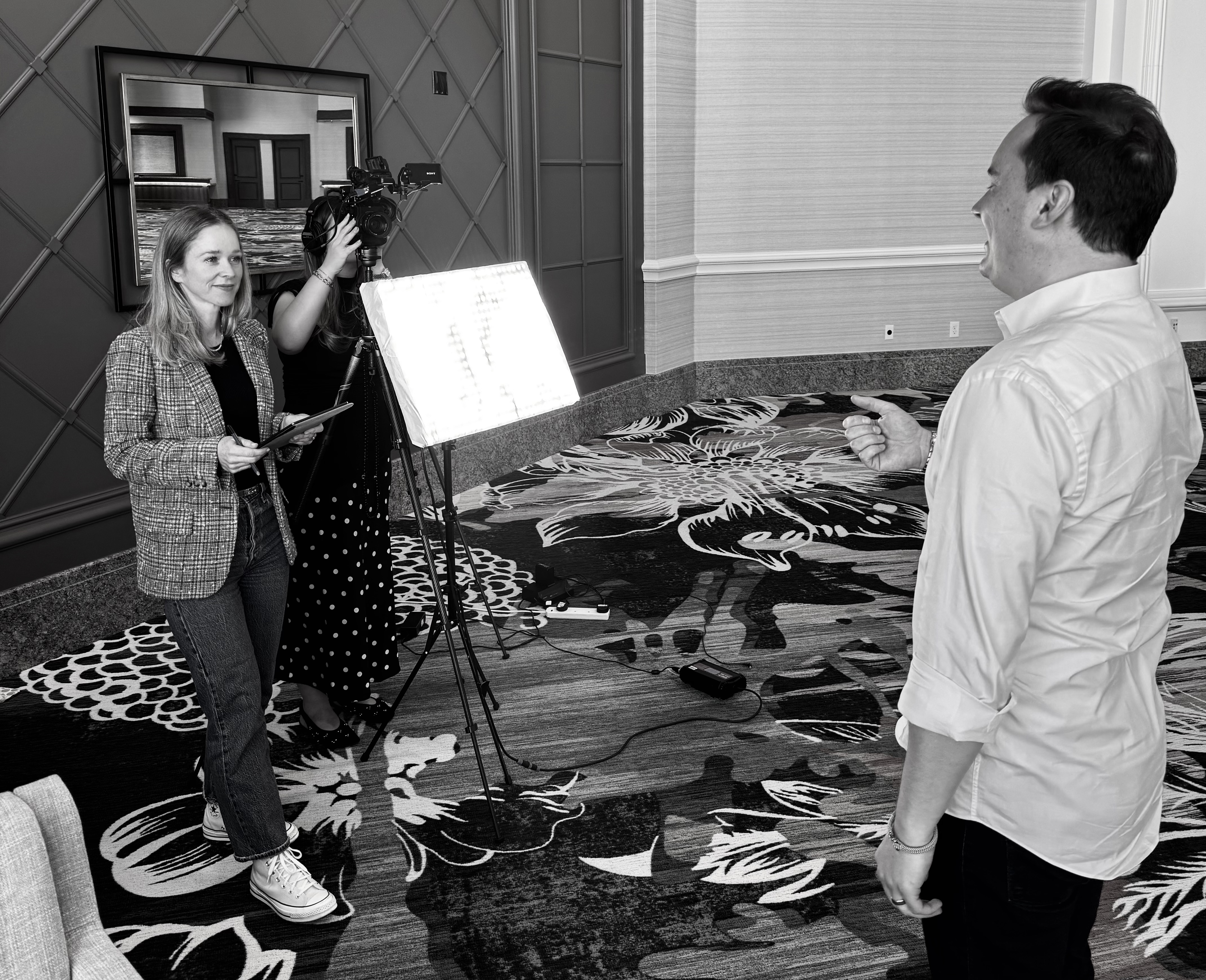
Anyways, I spent part of my time this week corralling people off the show floor to get their honest takes on what they were hearing and seeing at Shoptalk. Here's what people were talking about.
SPONSOR: MIRAKL ADS

Retailers know that a marketplace model can dramatically boost product assortment, shopper engagement, and total revenue.
But, to get the most out of your marketplace, you need an ad tech solution that can really engage sellers.
Mirakl Ads is powering the future of retail media for leading retailers — to activate both 3P sellers and 1P brands.
"People Love to Shop — They're Not Going to Outsource All of That to Robots"
Kathryn Lundstrom, Adweek
Katie caught the debate that had the whole show buzzing: Scot Wingo (ReFiBuy) and Ekta Chopra (e.l.f. Beauty) arguing that AI agents will transform retail, squared off against Andrew Lipsman (Media Ads + Commerce) and Sarah Marzano (EMARKETER) making the case for caution.
The sticking point, as Katie sees it, was definitional. "I think what it came down to was the definition of what agentic commerce is," she told me. "There's very little consensus around the meaning of that."
She was particularly compelled by the skeptics' argument: people enjoy shopping. They're not going to hand it all over to bots, even if the technology gets slick enough to make that possible.
Still, Katie landed where a lot of us are: "At the end of the day, we don't know the answers to these questions."
Regular readers know where I sit on this: I've argued that agentic shopping poses an existential threat to retail media economics — even if the timeline is long and the near-term probability of disruption is low, the downside risk is too high to ignore. But I'm glad this debate is happening on main stages now rather than just in newsletters and LinkedIn threads.
"Meta Is Branching Into Store-Level Data"”
Alex Arnott, Dentsu New Stream Media
Alex’s highlight was something that slipped right past me this week: Meta's new "product set optimization" tool, which lets retailers improve ad performance around a specific set of SKUs using store-level sales data — spanning web, app, and physical stores. Kathryn Lundstrom, who I'd just been talking to moments earlier, shared details of this announcement in her article earlier this week.
Meta is a company most brands still associate with upper-funnel awareness. Now they are pushing hard to prove lower-funnel performance with in-store directional metrics. The pressure to compete for brand spend is clearly driving this. As Alex put it, retailers and platforms alike are racing to provide "more metrics that are proof oriented."
What's also worth noting: the product is self-service, which gives brands more direct control over activation. That's been a persistent ask. Brands want to work with the DSP of their choice and get metrics without waiting for a managed service team to pull reports. Meta seems to be listening.
"Retailers Are Moving Offsite in a More Controlled Way"
Tom Limongello, The Middlemen Podcast
Tom, who co-hosts The Middleman podcast (which I'd recommend to anyone in this space), noticed a shift from his last visit to Vegas a couple of months ago. Back then, retailers were focused on extending incrementality measurement to search and in-store. Now, the conversation has moved to offsite — but with a different flavour than before.
The difference this time: retailers are being more deliberate about it. Instead of the old approach of pushing budget into offsite channels and hoping the numbers work, they're controlling their data infrastructure first and then moving into channels like Google Product Listing Ads or DV360 on their own terms. Kroger's recent moves are a case in point.
The tension Tom sees: "What does this mean for the agencies? Are the retailers starting to take some of the agency's work here?"
"Focus on the Content Needed for Agentic Commerce to Work"
Leah Logan, Inmar Intelligence
Leah's mission at Shoptalk was cutting through the agentic hype cycle by zeroing in on something practical: content.
She argues that whether or not you think AI shopping agents will reshape commerce, the content layer underneath has to get better. She's a big proponent of creators in retail media and content strategy built around genuine value. "I think agentic shopping will play a role in discovery," she told me. "But in terms of the investments now, I think we all need to be investing in content."
She also made a case for more onsite video — and challenged why it keeps stalling. Retailers are looking for more onsite inventory and profitability, so why aren't there more sponsored video placements? Her theory: brands have been repurposing canned TV spots for the digital shelf, and a 30-second brand commercial on a product detail page is a lousy shopping experience. What works is contextual, usage-occasion video — the kind that actually fits the environment.
"Retail Media as a Lift for Both Sides of the Business"
Derek Nelson, Ovative Group
Derek spotted a subtle shift in how retailers are talking about their media businesses. The old framing — "how do we generate more revenue, how do we increase margin?" — is giving way to something more partnership-oriented: how does retail media lift performance for both the retailer and the brand?
That's easier said than done. Getting brands to think about how their national budgets drive in-store behavior, and then connecting those in-store moments with onsite activation that converts at the right time — it's complex. But the intent is shifting from extraction to growth.
He also raised an observation I've been hearing elsewhere: retailers are starting to lean into their own brand equity as a selling point for advertisers. Co-branded creative, trust signals, retailer endorsement — especially valuable for new brands or product launches where any borrowed credibility is a differentiator.
Now What
Saket Mehta, Chief Revenue Officer at Nift, put it to me in broader terms: compared to last year, the range of perspectives at Shoptalk has widened — more verticals, more industries, more companies trying to work out how commerce media fits into what they do. That feels right. The tent is getting bigger — commerce media players, meatier tech stacks.
Oh — one more thing. I did a live debate yesterday at Shoptalk. The motion: "Does retail media improve the shopping journey?" I argued for. My opponent: Rachel Tipograph, founder and CEO of MikMak (now a SPINS company). Next week, I'll debrief on that and share my key arguments.