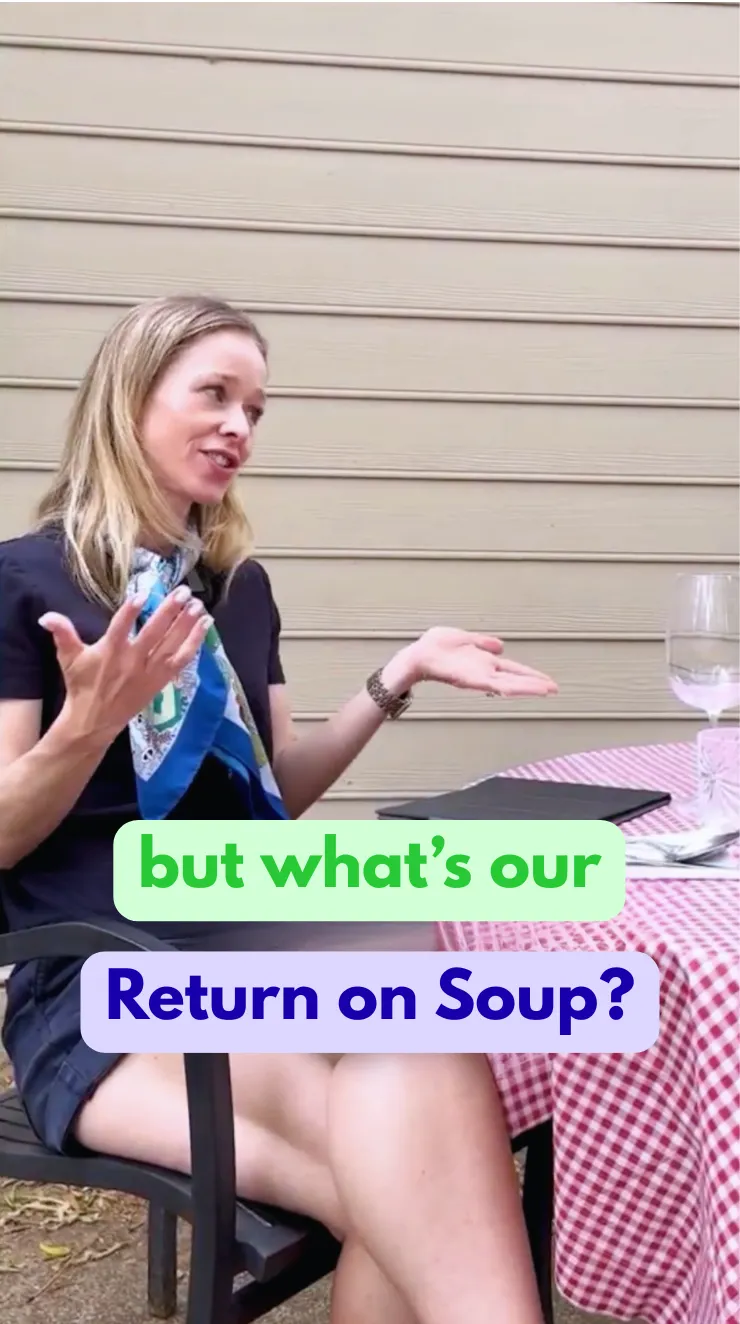
"But do we really need the soup? What's our return on soup?"
My latest silly comedy skit video makes fun of the way many brands are buying retail media today.
The reductive read is that performance media is pedantic, efficiency-focused, and joyless. But the brand marketing budget is the place for freedom and fun... and bigger budgets.
That's why retailers are chasing those budgets too, building toward full-funnel capabilities.
Today: the brand-side perspective on how that's landing.
But first, here's the skit, which first appeared on the new Basket Case podcast from The Drum and QSIC.
In a post on LinkedIn last week, Juliana Nodwell, a retail media manager at a large multinational brand, argues that marketing leaders are confusing "precision with purpose" when attempting to integrate brand building with retail media.
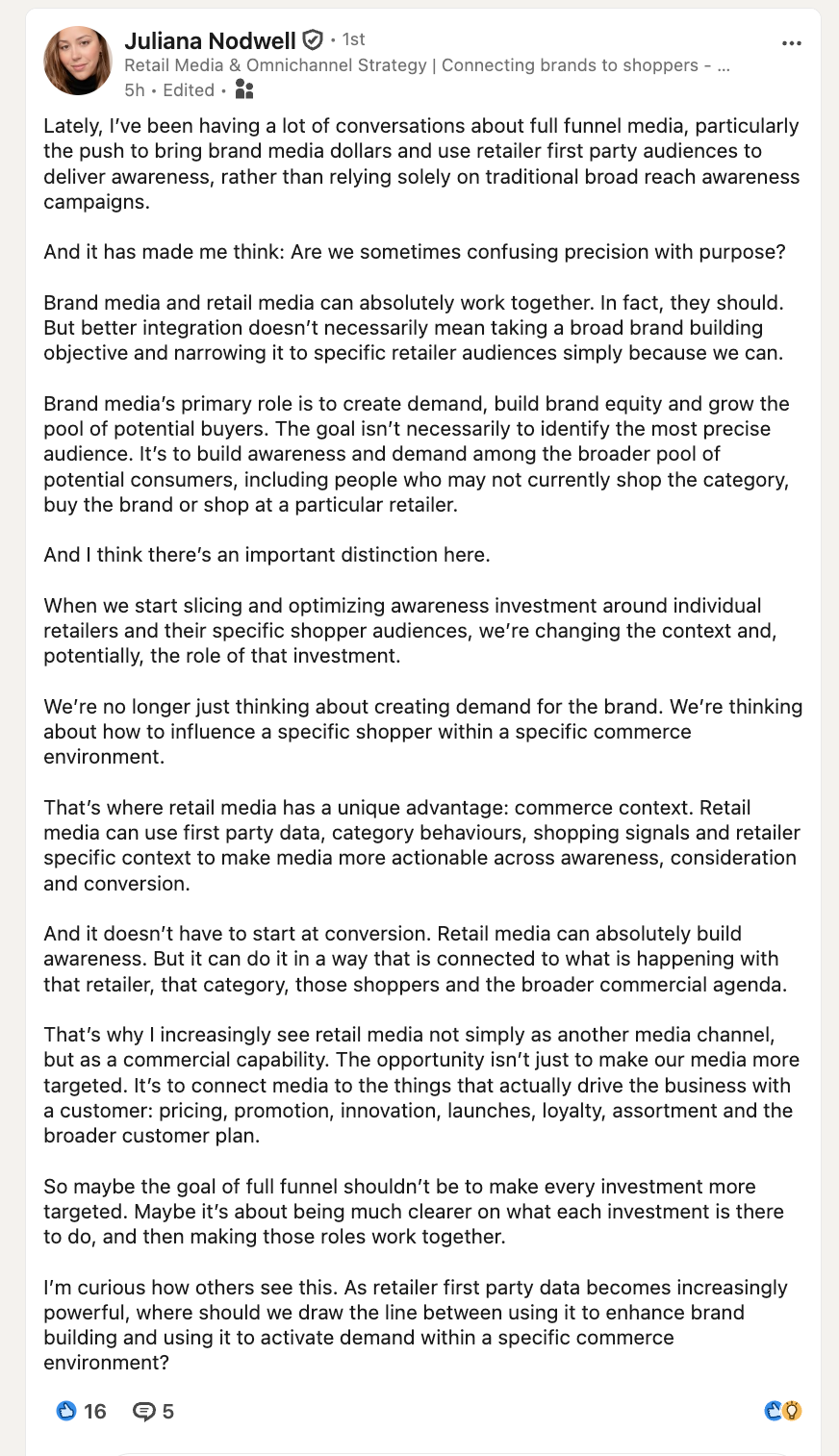
Juliana differentiates between the two forms:
- The Role of Brand Media: Brand media exists to create demand, build equity, and grow the total pool of potential buyers (including non-category buyers and non-retailer shoppers). Narrowing brand media to specific retailer audiences shrinks its reach and undermines its primary objective.
- The Role of Retail Media: Retail media excels because of its commerce context. Using first-party data, it can make media actionable across all funnel stages, but its primary power comes from connecting media to broader commercial drivers (pricing, promotions, assortment, and launches) rather than just hyper-targeting.
Juliana's point is that full-funnel integration shouldn't mean making every dollar hyper-targeted and accountable. It means really understanding the distinct role of each, and making them work together.
She's not playing the blame game. But if you break it down, her argument implicitly highlights responsibilities for both side:
- For brand-side marketers: Brands are often seduced by the hyper-targeting capabilities of first-party retailer data, because it's so crisp and measurable. But this can lead them to misallocate broad awareness dollars into narrow retailer silos. Marketers are risking long-term brand equity by treating full-funnel brand building as merely "targeted shopper marketing."
- For Retailers: Retailers often pitch their first-party data as the ultimate solution for all upper-funnel brand building, encouraging brands to move broad brand budgets into their specific ecosystems.
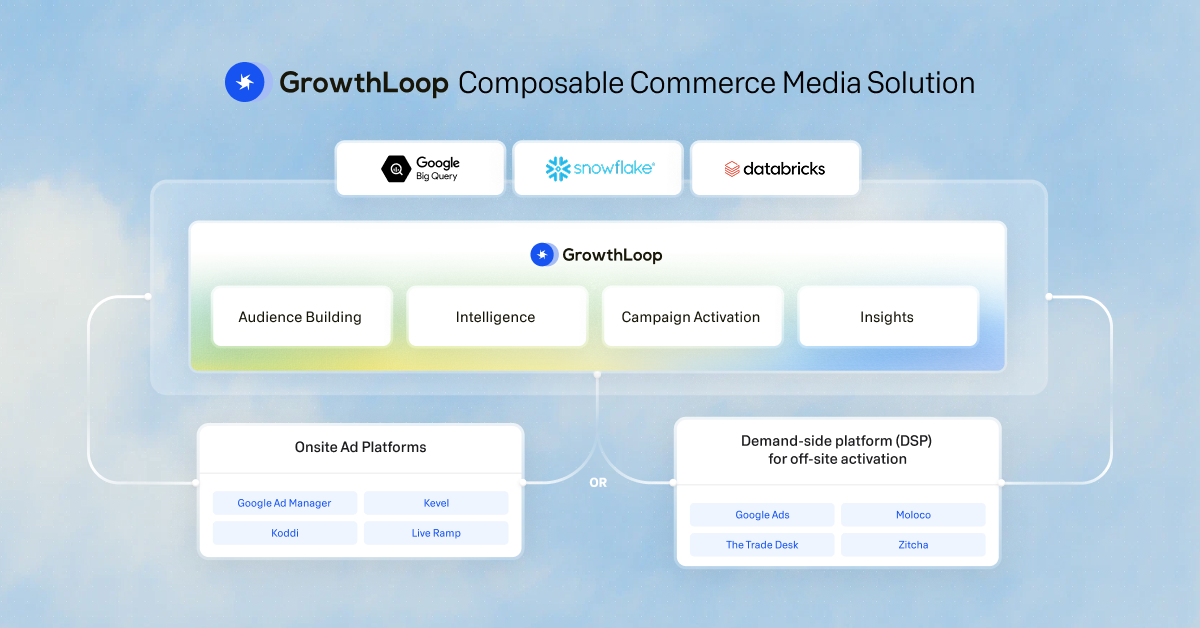
Are manual processes slowing down your RMN momentum?
With GrowthLoop’s composable commerce media solution, retail media and ad teams can build and launch precise audiences in minutes, activate across DSPs and ad platforms, and deliver transparent ROI reporting that drives advertiser revenue.
Learn how retail media leaders at Costco, Fanatics, and Gopuff use GrowthLoop to deliver stronger results for their brand partners.
I have covered this topic in some earlier pieces.
"Whoever Owns the Budget Determines What Retail Media Is Allowed to Be"
It's the same argument as Juliana's, that leaders are confusing precision with purpose. Jordan Witmer, head of retial media at the agency Salt XC, shares this version: brands are structurally incapable of spending brand dollars through retail media, because whoever owns the budget dictates the KPI before anyone asks what the media is for.
He shares a hypothetical scenario of a "Franken-campaign" — a Vizio streaming buy that the sales team insists must drive traffic to Walmart.com, while the brand team's goal is reach. The result pleases no-one.
"I think a lot of it has been, it doesn't do that thing [performance]. It is a longer-term, leaned-in brand building tool to show up on somebody's TV. And it doesn't kick off ad-attributed exposed return on ad spend because it's not supposed to."
This illustrates the failure that Juliana describes. Upper-funnel media has it's own job to do. Demanding conversion accountability from it is unreasonable.
The 'How Brands Grow' Dogma Wants To Have A Word With Retail Media
Veteran retail media consultant Steve Gray argued on LinkedIn that RMNs are selling the wrong things. They should be selling reach, context, salience and physical availability rather than awareness, impressions and conversion, because those are what actually grow brands.
The responses split the industry, and the piece ends where Juliana's post begins: everyone agrees ROAS optimization isn't building brands. But there's no new hero metric coming to save us.
Brand Media Lowers the Tax You Pay on Growth
Apparel brand Gildan keeps brand media funded alongside commerce media spend. The logic is that that brand investment lowers what it costs to convert someone later.
The return on brand media shows up in the price of your performance media.
As I put these silly videos together, I'm reminded that something's only funny if it's kinda true.
Let's be real: brand spend is not the land of milk and honey. And brand media is increasingly being asked to be accountable for things that are unreasonable to expect, outcomes that might ultimately hurt performance media, which is where retail media truly shines.