On Sunday, Publicis Groupe announced it's buying data company LiveRamp for $2.2 billion in cash. That's on top of the $4.4 billion the holding company spent on Epsilon back in 2019. Close to $7 billion, all-in, on data and identity infrastructure.
Which makes the timing of Tiffany Tan's appearance this week on the Flywheel Commerce Collective podcast interesting. Tan is Head of eCommerce Growth Accelerator at Clorox. She didn't frame her comments as an update on anything — but listening to how she describes Clorox's use of data clean rooms today, you can hear how far the conversation has moved in three years.
From "Brilliant Basics" to Cross-Category Patterns
Back in January 2023, Clorox's then-VP of marketing transformation Doug Milliken got on stage at CES and explained why his company was investing in data clean rooms. At the time, clean rooms were one of five strategic priorities Clorox's board had picked. The context was cookie deprecation, new privacy laws, and a marketing environment nobody could predict.
Milliken's advice then was to start small. Reach, frequency, audience overlap — the "brilliant basics," as he called them. He also flagged the practical headaches: every partner was a unique negotiation about what data would and wouldn't be shared, with little interoperability between platforms.
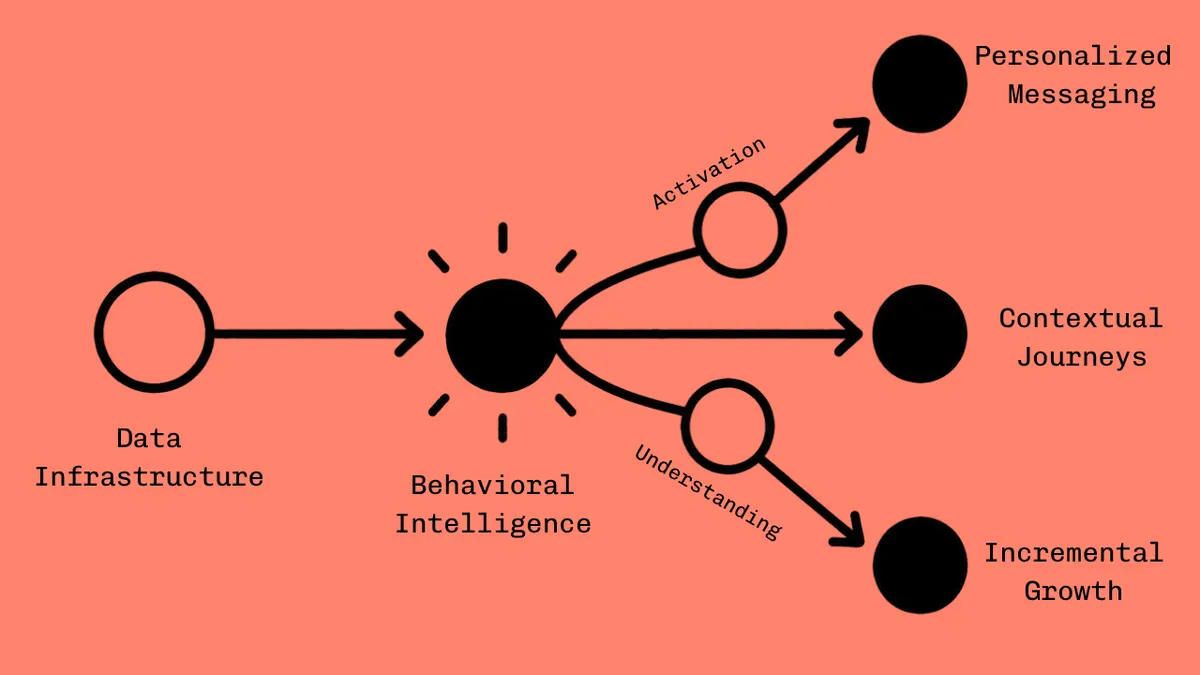
Tan isn't talking about reach and frequency anymore. On the podcast, she described clean rooms as "much less a piece of technology and much more an enabler of better personalization." She said Clorox uses them to "mine insights and understand how people are actually shopping" — looking at purchase frequency and cross-category behavior. Quick replenishment versus stock-up trips. The why behind a purchase, not just the what.
The basics aren't gone, they're just assumed.
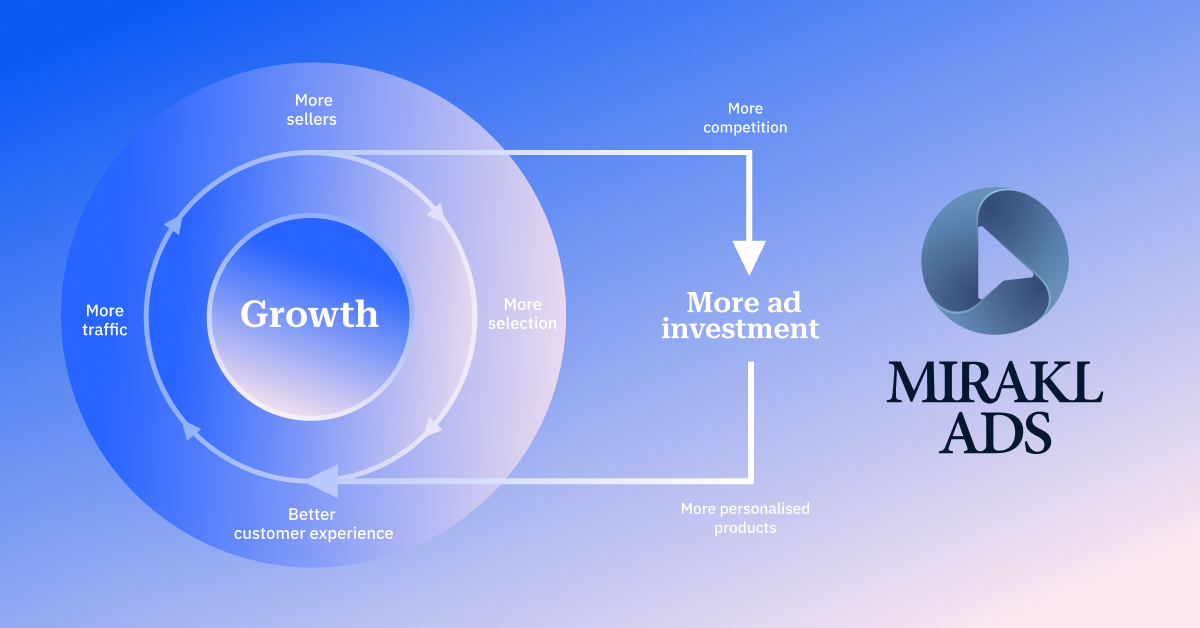
Retailers know that a marketplace model can dramatically boost product assortment, shopper engagement, and total revenue. But, to get the most out of your marketplace, you need an ad tech solution that can really engage sellers. Mirakl Ads is powering the future of retail media for leading retailers — to activate both 3P sellers and 1P brands.
The Brita Example
So what does Clorox actually do with it? Tan shared two examples built around the Brita brand.
The first is back-to-college season. Two audiences, very different mindsets. Parents see messaging about health and peace of mind. Students see messaging about convenience, taste, and fitting Brita into a new routine. Same brand, same product, completely different creative based on context.
The second is fresher. When a local community gets a notice about lead in its drinking water, behavior changes immediately. There's a spike in information-seeking — people searching, reading, trying to understand what the notice means for their family. Clorox shifts how Brita shows up across that journey: educational content first, then solution-oriented messaging as people get closer to a decision, then replenishment reminders after purchase.
Neither of those audiences is something you target with traditional demographic segments. "Parents of college freshmen during move-in week" and "households in a municipality with a potential lead notice" are behavioral and contextual signals. They're the kind of audiences you can only build when you can stitch first-party brand data together with external signals in a privacy-safe way. That's what the infrastructure is for.
Tan doesn't say "this was powered by a clean room." She presents it as a personalization story.
"Personalization is Cumulative"
If you're spinning up dozens of creative variations for different moments, how do you know any of it is working? Tan was specific. Clorox doesn't judge personalization off a single campaign or a single metric. They look for incremental impact over time: new households brought in, more purchased per trip, repeat behavior. In the Brita case, someone moving from a one-time purchase into filter replenishment or subscription is the signal that the experience actually changed behavior.
"Personalization is cumulative," she said.
That line explains why most CPGs are still where Clorox was in 2023. If you measure clean room investments the way you measure a single campaign, the math never works. It also explains why Publicis just wrote a $2.2 billion check for infrastructure rather than campaigns. The ROI is in year three, not year one.
The Other Side of the RMN Budget Conversation
There's one more thing worth flagging from CES 2023. The higher-value use case Milliken said he was excited about — once the brilliant basics were sorted — was upper-funnel awareness building on retail media platforms.
That's the exact prize RMNs are now chasing. I've written about this dynamic from the agency side — Jordan Witmer at Salt XC made the case that RMNs need to move toward Meta-style open data that flows into brand teams' own measurement, not better closed-loop attribution. That's what brand budgets actually need to be unlocked.
And the pressure is on. As I wrote in February, the share of organizations planning "significant" retail media budget increases dropped from 27% to 17% year over year. The easy money — repackaged trade dollars — is running out. The next dollar has to come from brand budgets.
What Clorox's clean room journey shows is the other side of that equation. The infrastructure brands need to spend brand dollars across retailers has been quietly built over three years. The retailers who can plug into that infrastructure cleanly are the ones who'll get that budget, while the rest will keep wondering why brand teams aren't picking up the phone.