
Back when I ran my Amazon agency, we had a handful of brand clients who absolutely loved our work. Glowing feedback, strong results, long-term partnerships. When we asked if they'd share a testimonial, the answer was always the same: "We don't want to tip off our competitors about our secret sauce."
The irony? These same brands would ask about our category experience during the selection process. They wanted proof we knew their space. But they also didn't want us working with competitors. Everyone wanted the benefits of transparency without contributing to it.
I thought about this paradox while listening to a recent podcast where Marc Andreessen, Ben Horowitz, and their longtime marketing chief Margit Wennmachers discussed how they built their firm a16z into a venture capital powerhouse. Their strategy was simple: break the industry's code of silence.
And it got me thinking about what’s holding retail media back.
SPONSOR: MIRAKL ADS
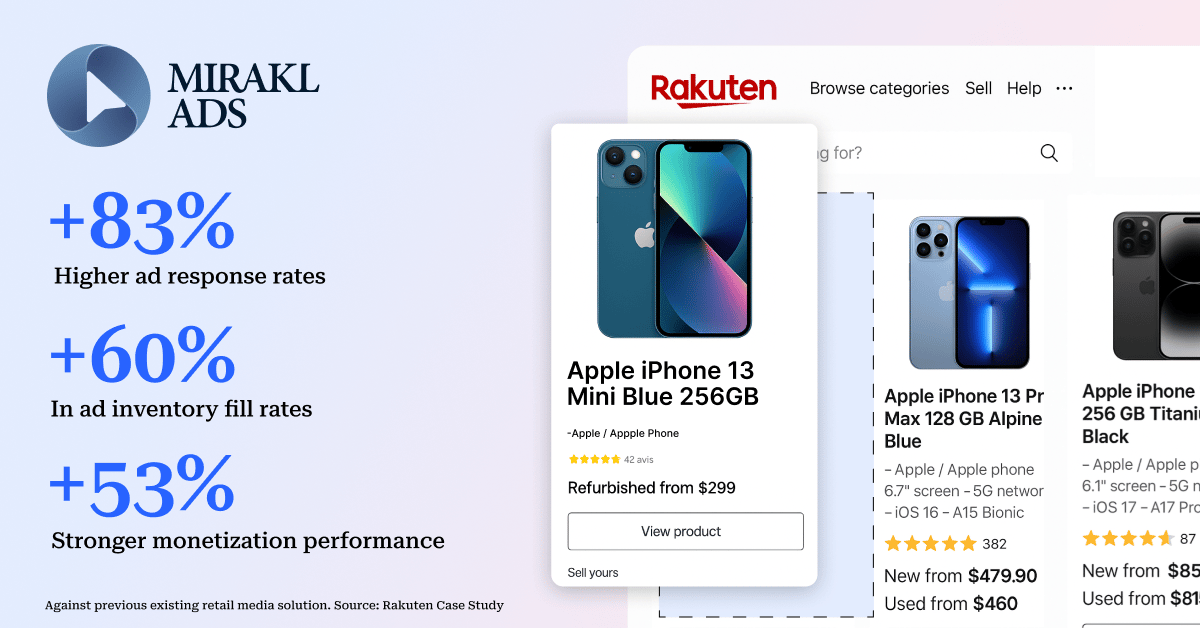
Mirakl Ads is the ad-tech solution trusted by Rakuten and 50+ global enterprise retailers.That’s because Mirakl Ads was built with both 3P marketplace sellers and 1P suppliers in mind.
Both advertiser audiences demand a seamless advertising journey from onboarding to reporting. You can offer everything from Sponsored Products to video all in one solution.
Here are my top highlights from the conversation and some thoughts on how RMNs can actually stand out and escape the doom loop by being more authentic.
1. Redefine Who Your Customer Actually Is
When a16z launched, venture capital operated on a clear hierarchy: VCs served their limited partners (the institutions that gave them money to invest). Entrepreneurs were supply, not customers.
But a16z realized that that entrepreneurs were the actual customer.
As Margit explained on the podcast, "We aimed all our communications at entrepreneurs, not LPs." By aligning with entrepreneurs, they would get better deal flow, better terms. Here’s the kicker: in doing all of that, they would ultimately produce more value for the LP’s.
Here’s the RMN version:
Retailers have always sold to consumers. That's the only marketing motion they know—B2C. Brands sold TO retailers; retailers were the buyer, not the seller.
Retail media flips that. Suddenly brands are the customer. Retailers need to court them, articulate a USP, build relationships, run a B2B sales and marketing motion.
They typically have zero muscle memory for this. They've never had to market themselves to businesses.
Retailers have to re-imagine who their customer is, and truly understand what they really care about.
2. Create Content that Serves the New Customer
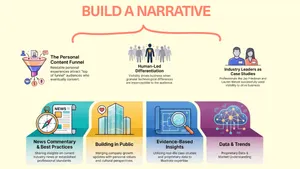
With a deep understanding of the needs of their customers, a16z blogged obsessively about how to build companies—hiring, fundraising, go-to-market, board management. The content served founders' needs, not a16z's ego. They became a resource, not just a capital source.
Here’s the RMN version:
I find that much of RMN marketing focuses on some combination of the same USPs:
- The size of their audience and why it can’t be reached anywhere else
- Some offsite media partnerships they have inked
- Why their measurement approach is superior
….Yawn.
What if RMNs focused on content that actually helped advertisers win? Category insights? What’s working? The nitty gritty of measurement?
3. Build Direct channels to the new customer
Traditional VCs wanted press coverage exactly once: at IPO time. Take credit for the win, no risk of association with failure.
a16z did it backwards. They marketed aggressively with nothing in hand. They built a brand before they had the track record to justify it. The incumbents thought this was tacky. Then they started losing deals to it.
While a16z played a masterful PR game, they didn’t rely only on traditional tech press to reach founders. They built their own media properties—podcasts, newsletters, events. These media properties have become real destinations in their own right — which is exactly why you’re reading this post right now.
Here’s the RMN application:
As someone with one foot in the traditional press game, and one foot dangling off to the side as a complete maverick, I see first-hand many RMNs playing a safe and buttoned up PR playbook via trade press and sponsored editorial content.
Who's building direct channels to brand marketers? Who's running their own blogs, social media, and podcast?
You might be able to name a few.
But the knock-out round question is, how many are actually any good? Actually shareable content rather than hyper-glossy PR soundbites?
I’ll wait.
4. Bundling
This strategy came from an unusual source: A hollywood talent agency called CAA. CAA reshaped the entertainment-industry power structure by “packaging” writers + directors + actors, and negotiating directly with studios, giving its clients leverage and changing how talent was represented.
This model from an entirely different industry informed a16z’s vision for venture capital: not just as providers of capital, but as “talent agents” for founders — offering networks, services, access, not just money.
Here’s the RMN version:
Are brands buying your ad inventory because they have to or because they want to?
What's wrapped around it? Strategic partnership? Creative support? Insights that help brands beyond the campaign itself?
Here’s some interesting examples:
- Best Buy building a creative studio
- Kroger Precision Marketing sharing a weekly briefing based on customized insights from a brand’s 84.51 instance
I don’t have an inside track on whether the above solutions were genuine concerns for Best Buy or Kroger’s advertisers. But that’s the question I’d start with: what bundle-able services and solutions do your brand advertisers truly need? What holds them back from further investment with you?
5. Transparency Breaks Cartels
At first blush, you’d wonder what retail media has in common with venture capital and Hollywood talent agencies. But it turns out, they all have a penchant for secrecy that’s unwarranted.
In retail media, tech stack partnerships get treated like state secrets. I recently spoke with a sales executive at a large grocery retailer who wanted to tell a vendor that they'd already selected a competitor. Their product team forbade it. The deal was signed. The decision was final. And they still couldn't say it out loud.
This secrecy is futile. When I polled brand-side buyers earlier this year, 88% said knowing a retailer's tech stack would influence their spending decisions. Meanwhile, sophisticated agencies already reverse-engineer these stacks through reporting patterns and targeting capabilities. Retailers are hiding information that buyers want and competitors can figure out anyway.

The retailers breaking from this pattern—Home Depot being transparent about their tech overhaul last year, for instance—are building trust that translates into advertiser preference.
Perhaps retailers can learn something from their tech partners.
Demand-side platforms like Skai and Pacvue have broken through in the collective consciousness of brand advertisers. Retailers now actively want to associate with them because these vendors have strong reputations. It's the a16z dynamic in reverse—portfolio companies bragged about having a16z as a backer. Now advertisers ask retailers which platforms they support.
Supply-side vendors—ad servers, SSPs, the infrastructure layer—remain stuck in secrecy. Not because they can't market themselves, but because their only customer is the retailer, and the retailer won't let them talk.
The path out is building a brand that advertisers demand. When buyers start asking about a retailer’s tech stack, the wall cracks. Until then, supply-side vendors remain hostage to their customers' paranoia.
Now What
Most retail media networks still operate like old-school VCs. They issue interchangeable press releases. They wait for advertisers to come to them.
A few are figuring out that retail media is a B2B media business, not just a retailer side hustle. These efforts signal something: we take this seriously enough to invest in earning your attention.
My old clients hoarded their secrets but expected the category to grow. a16z gave theirs away and reshaped venture capital. RMNs get to choose which playbook to run.
You can watch or listen to the a16z podcast episode here: The Secret Marketing Strategy That Built a16z: From Zero to Legendary VC Firm