I'm writing this from the PayPal Ads Café on the Croisette. Three things from today worth flagging.
The brilliant basics problem
A CPG I spoke with is setting up a data lake which will eventually be used for ads. But the first use case isn't agentic media buying or some sophisticated targeting play. It's in-store stock tracking.
Even as the threat of agentic shopping looms large over the future of retail media, out-of-stocks are still a very real headache in 2026. And if a CPG is running ads for a product that isn't actually on the shelf, those ads are actively working against them.
So the takeaway here is that before fixating on anything else, know which products are in stock at which stores, and only run ads when someone can actually buy the thing. That's table stakes. And it's still unsolved for a lot of brands — including the larger, more sophisticated ones showing up here in 2026.
The second use case they mentioned: digital asset management. Large CPGs are sitting on vast libraries of visual assets they'd like to use. But pulling those assets out of the DAM and deploying them across different networks and campaigns is still largely manual. Agentic media buying is supposed to fix that. Whether it does is a different conversation.
Retailers are chasing creators
A couple of weeks ago I wrote about creator content and retail media as I wanted to get up to speed on the space. This week I spoke with someone from a talent management agency that sits between retailers and creators.
What they're hearing: far more retailers are coming to them wanting big creator deals. The names they rattled off — Target, Home Depot, Walmart, Amazon, Lowe's, Nordstrom, Albertsons, Kroger, DoorDash — are building creator networks that brands can activate against.

Fixed-fee campaigns are common. Retailers are also checking conversion data to figure out which creators actually perform.
The tech picture is messy. Target has aligned with LTK — which is itself becoming more of a social platform. Other retailers have built their own affiliate programs. Others run creator media more like a managed service. No single model has settled.
There's a lot more to dig into here. I'll be sure to come back to it after my summer break.
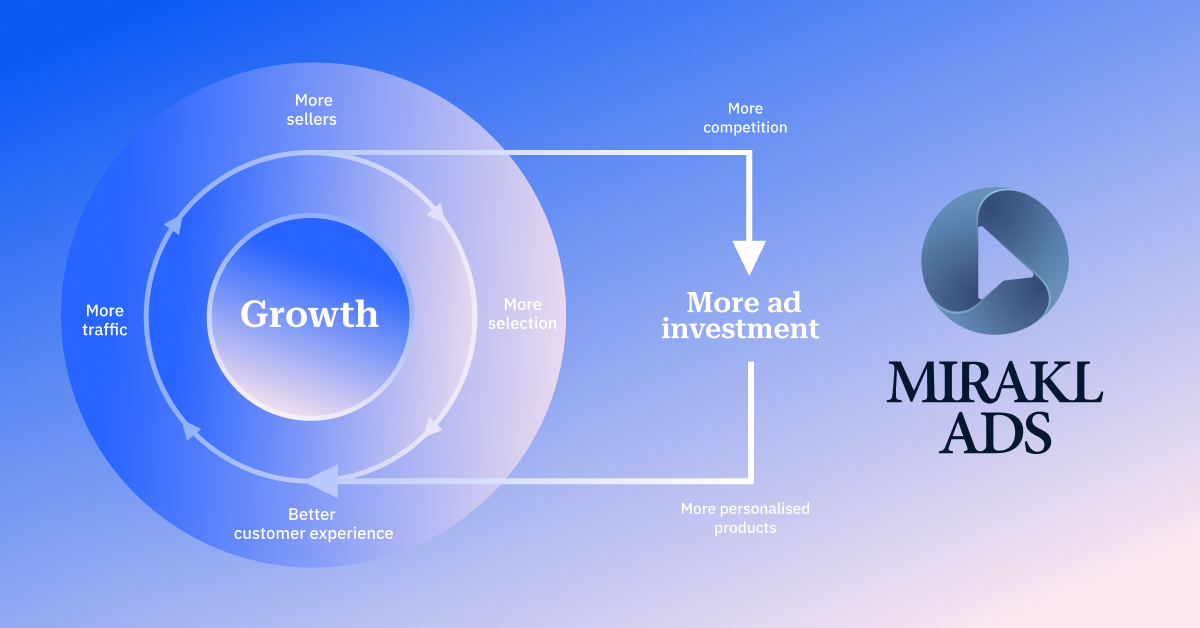
Retailers know that a marketplace model can dramatically boost product assortment, shopper engagement, and total revenue. But, to get the most out of your marketplace, you need an ad tech solution that can really engage sellers. Mirakl Ads is powering the future of retail media for leading retailers — to activate both 3P sellers and 1P brands.
Dollar General, Nestlé, and the value-focused consumer
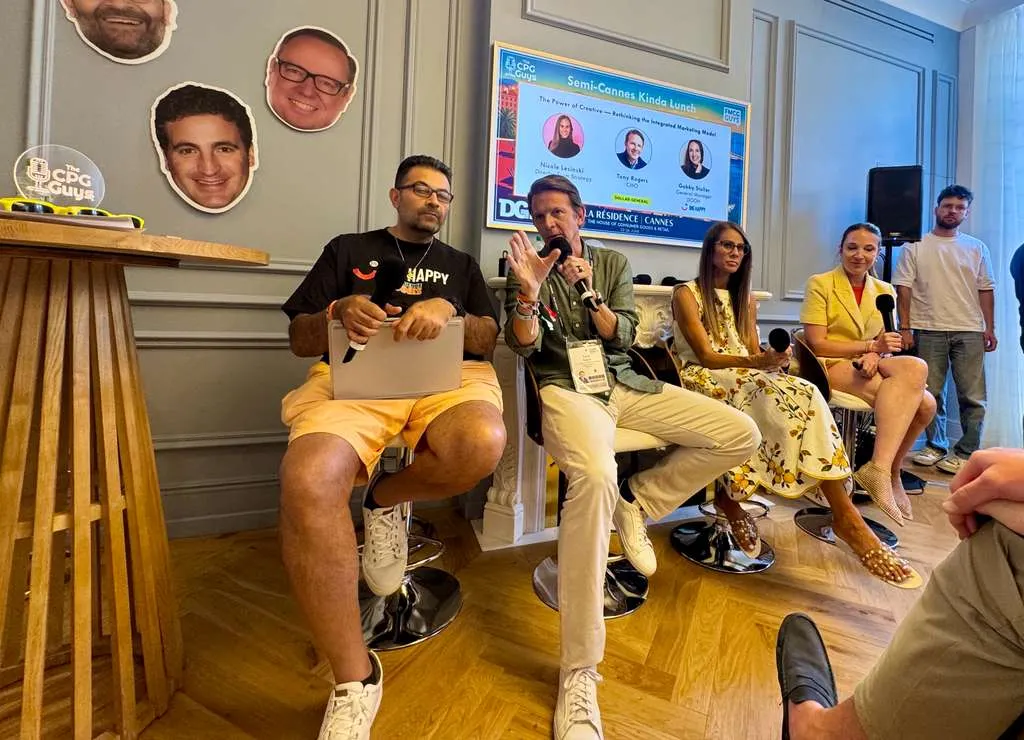
I caught the tail end of a panel at The CPG Guys' house with Nicole Lesinski from Nestlé, Tony Rogers, CMO of Dollar General Media Network, and Gabby Stoller from Big Happy. The theme was creative — specifically rethinking what integrated marketing actually looks like when your retailer has 21,000 stores in communities under 20,000 people.
The Dollar General shopper skews financially fragile. Which means evergreen, one-size-fits-all creative doesn't work. Nestlé is having to be geographically and demographically precise — the right value proposition for the right community. Local inventory ads are one lever: connecting a shopper to specific Nestlé products at the nearest Dollar General, sometimes 0.8 miles away.
Big Happy sits in the middle. They ingest Dollar General data to serve localized ads at a personal level. And shortly before Cannes, they launched DCO (Dynamic Creative Optimization) for 3D digital out-of-home. That's a format that's historically been expensive and slow to produce. Big Happy's system renders to each media owner's specs without giving up quality.
What DCO for 3D DOOH actually unlocks: SKU-level relevance by location, timing triggers (showing value messaging at the end of the month, when DG shoppers are watching their spending), distance to the nearest store, QR codes linking out to Google Maps, product pages, or sampling opportunities via third-party fulfillment.
As for what made the partnership work, Tony Rogers pointed to alignment of goals. Both sides want to grow and serve the same customer, and the measurement is there to prove it. Nicole credited DGMN's growing capabilities, including DoorDash delivery integration, for deepening what's now a ten-year partnership. Gabby said Dollar General is "10 steps ahead" in consumer thinking.
On the future: Tony is focused on next-best-action logic and personalization at scale via AI. Nicole sees AI accelerating the creative briefing process — feeding best-in-class examples from other markets as prompts rather than writing traditional briefs. Gabby's roadmap is DCO for 3D DOOH across all screens, OOH and mobile, drawing on broader data sets.
The lightning round one-word on the future of creative: Gabby said "Limitless." Nicole said "Bold." Tony said "AI-driven" — two words, he noted!
A value retailer and a multinational CPG using a specialist vendor to deliver dynamic 3D digital out-of-home at SKU-level precision. That's definitely not a mainstream capability yet. But these glimpses into such future possibilities are exactly what Cannes is for.