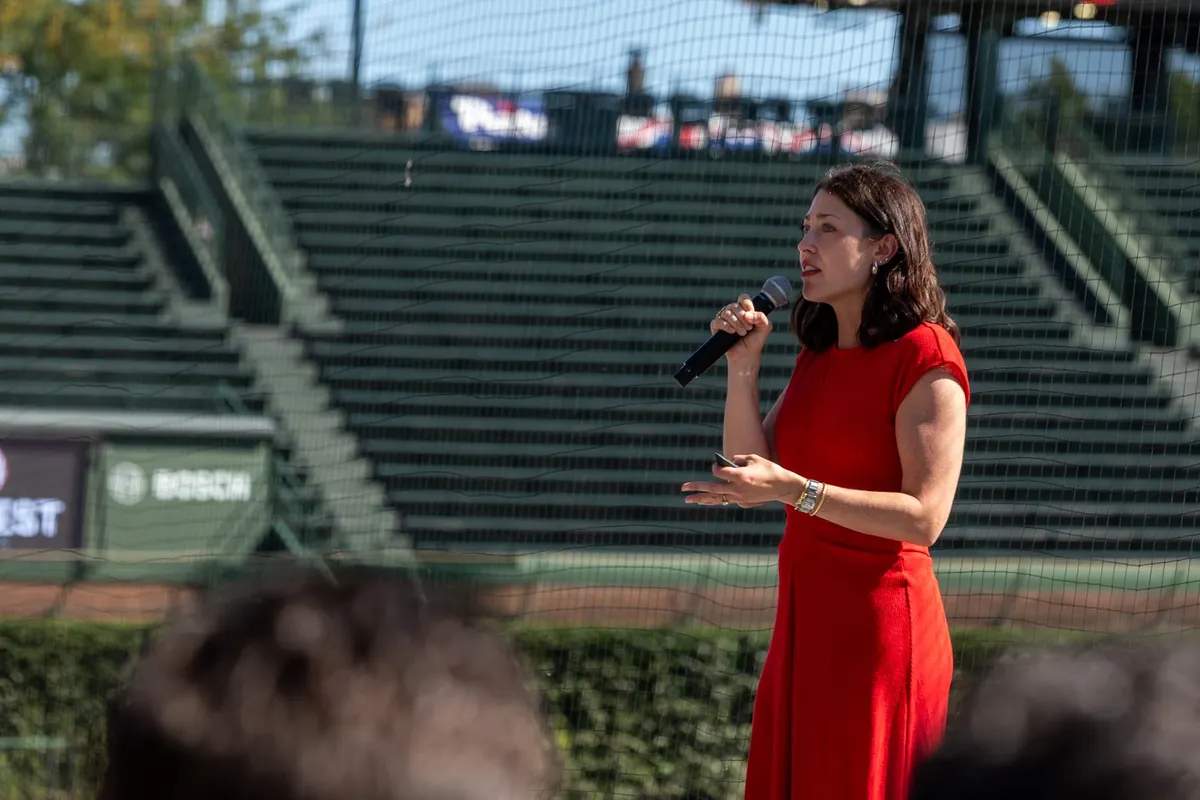
Last Thursday, while I was asleep on the other side of the world, Ace Hardware rented out Wrigley Field and made its case for retail media dollars.
I wasn't there. But my friend Tom Limongello, host of The Middlemen Podcast was. Redvest Media's measurement and tech and integration announcements are all in the press release, but I called him up to get the real scoop: who Ace put on stage, and what the advertisers were saying in the hallways afterwards. What's the subtext?
What follows is our conversation, edited for length and clarity.
You can also find Tom's video recap of the event and an interview with the GM of Redvest Media, Molly Hjelm, on Youtube.
KM: A retail media upfront is still a fairly new idea. What did it actually look like?
TL: It's definitely new, and I wouldn't say that I'm an expert — I've never been to the NBC or other TV network upfronts. So I wasn't sure what I was going to see. I wasn't sure if there was going to be a huge number on a screen that they were going to have to accept. But that wasn't the way that it was run.
It was more, here are our executives. Their CMO, Kim Lefko. Their Chief Growth Officer, John Surane. Their chief merchant, Brian Wiborg. Basically them and Molly together made the case from many different angles as to what the value of the retail media network was.
What was interesting is having those other executives there enabled some new insights for people like me, who normally just hear about retail media. I don't get to hear as much about the merchandising planning.
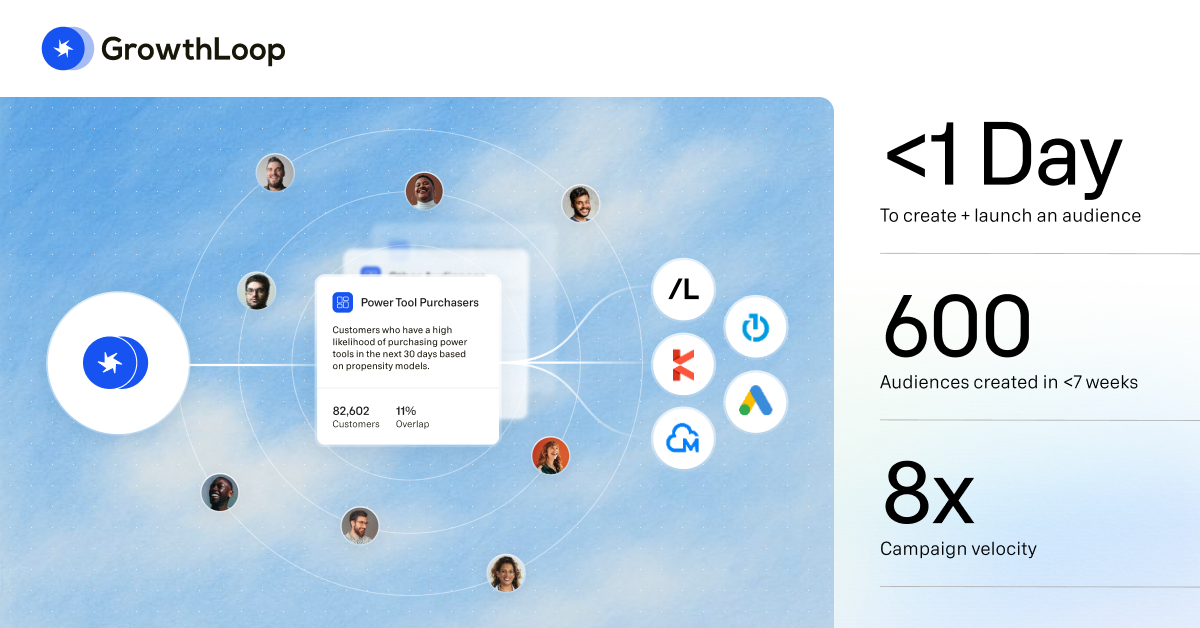
Your advertisers can’t wait weeks for audiences.
GrowthLoop’s Composable Commerce Media solution helps media teams turn first-party data into high-value audiences, launch campaigns faster, and prove what’s working across every channel.
Learn how retail media leaders at Costco, Fanatics, and Gopuff use GrowthLoop to create highly segmented audiences and deliver stronger results for their brand partners.
KM: What did the merchandising side bring that the media org couldn't have?
TL: There was very directly explained collaboration that I didn't expect to see, which was that there is a concept of a RetailerReach program — enabling those brands that are participating in retail media to get help with distribution in stores.
If you think about Ace, they are a 5,300-store chain in the US with 2,800 owners. It's a very entrepreneurial co-op model. One of the challenges for both merchandising and retail media is how do you get into enough stores. I think they have that pain point a little more strongly than most retailers do, and so they've had to innovate in that way. It's led to collaboration between merchants and retail media.
(Tom dives into this concept further with Molly Hjelm in his video recap)
KM: And on the media side itself?
TL: The most interesting area of the innovation for me was hearing Molly, who has a background in data and insights, talk about what she was doing on the audience product.
Redvest works with Epsilon, and Epsilon's standard product is an AI-based SKU targeting system — which is different from when I knew Epsilon back in the Quotient days. They were kind of like everybody else, with static audiences that were used for six months to two years. Recently it's become a standard product to just use AI and set it and forget it.
What I saw Molly do here was introduce brand audiences and custom audiences. There was a whole slide which showed DIY and grilling and, you know, the list of audiences that you can use. That enables better test and learn, and that's something I heard from a lot of the brands — we like Ace because they do test and learn.
Generally the undercurrent from some of the advertisers was that sometimes with other retail media networks, or with retail media in general, there is this challenge of what am I getting for the money. Is it transparent enough? Where Ace has done a good job of dealing with those issues has mostly been strong team, a lot of collaboration, and transparency.
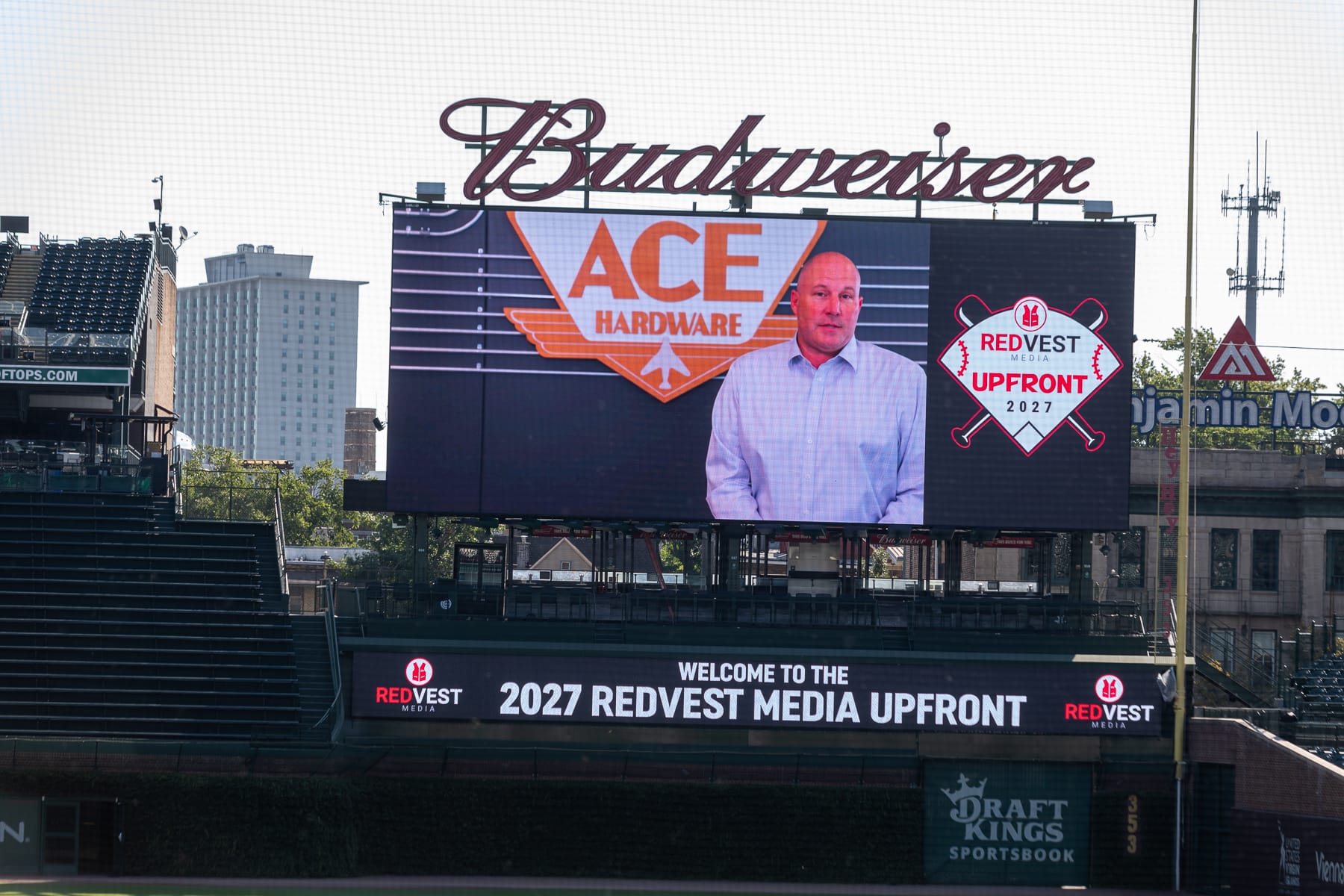
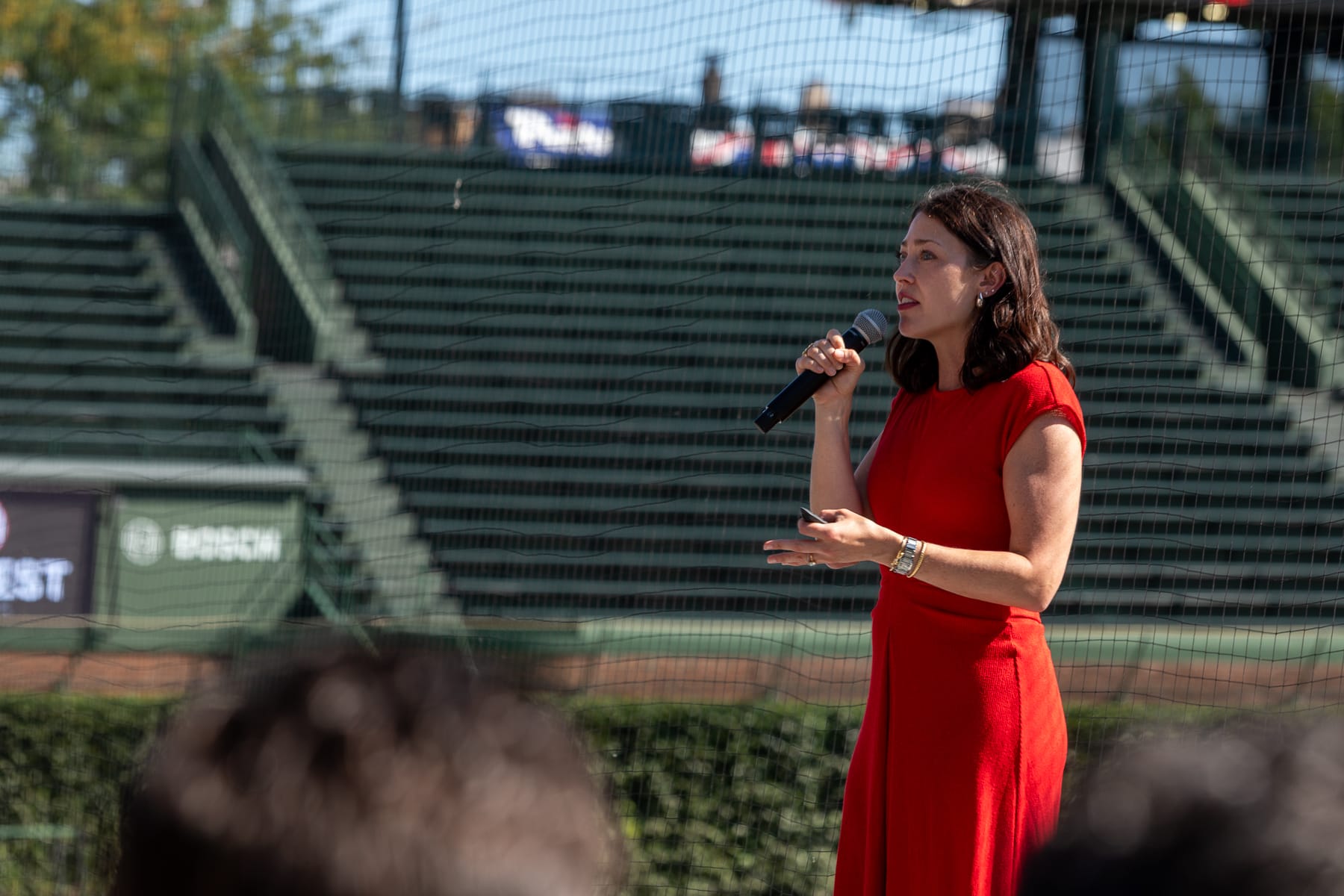
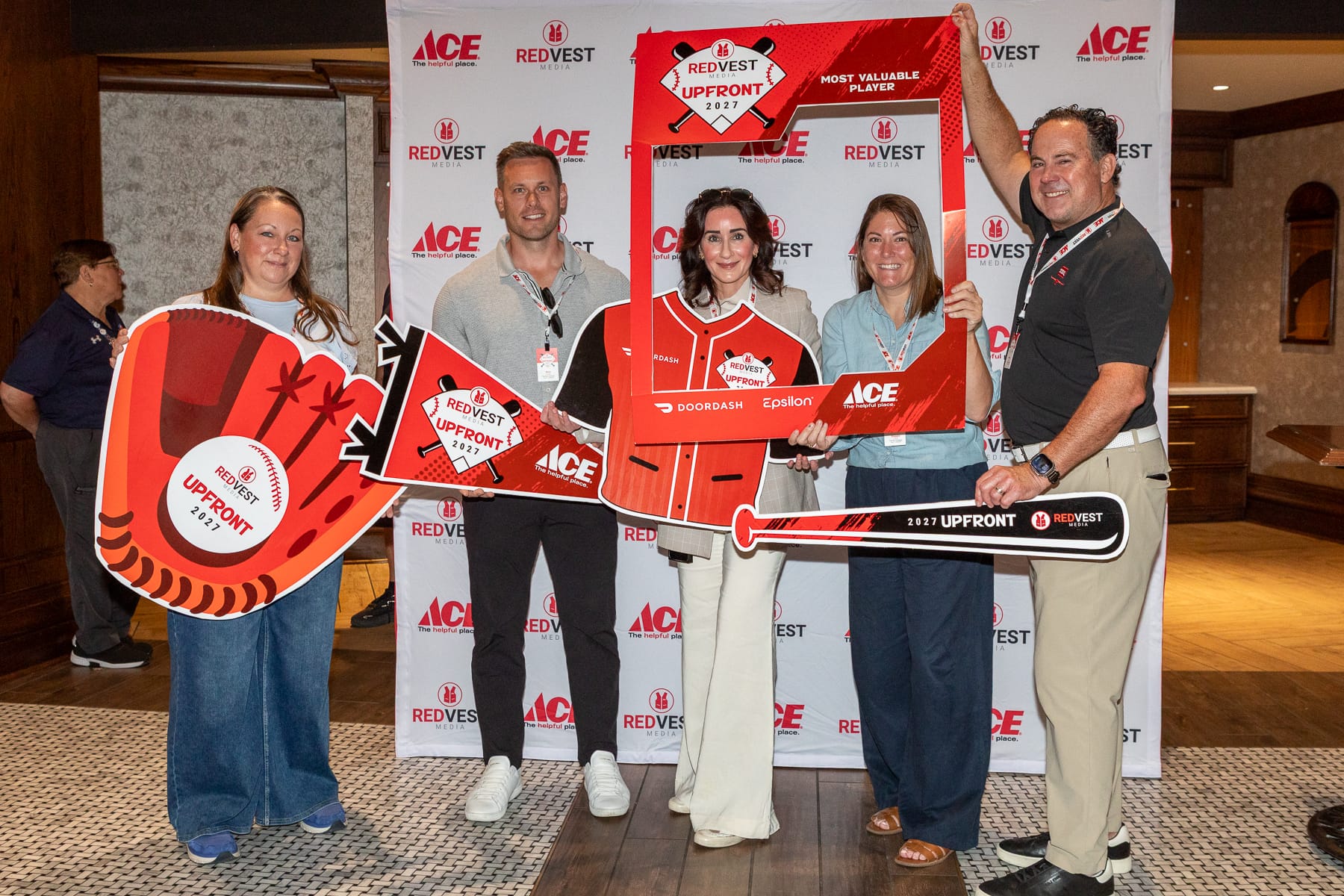
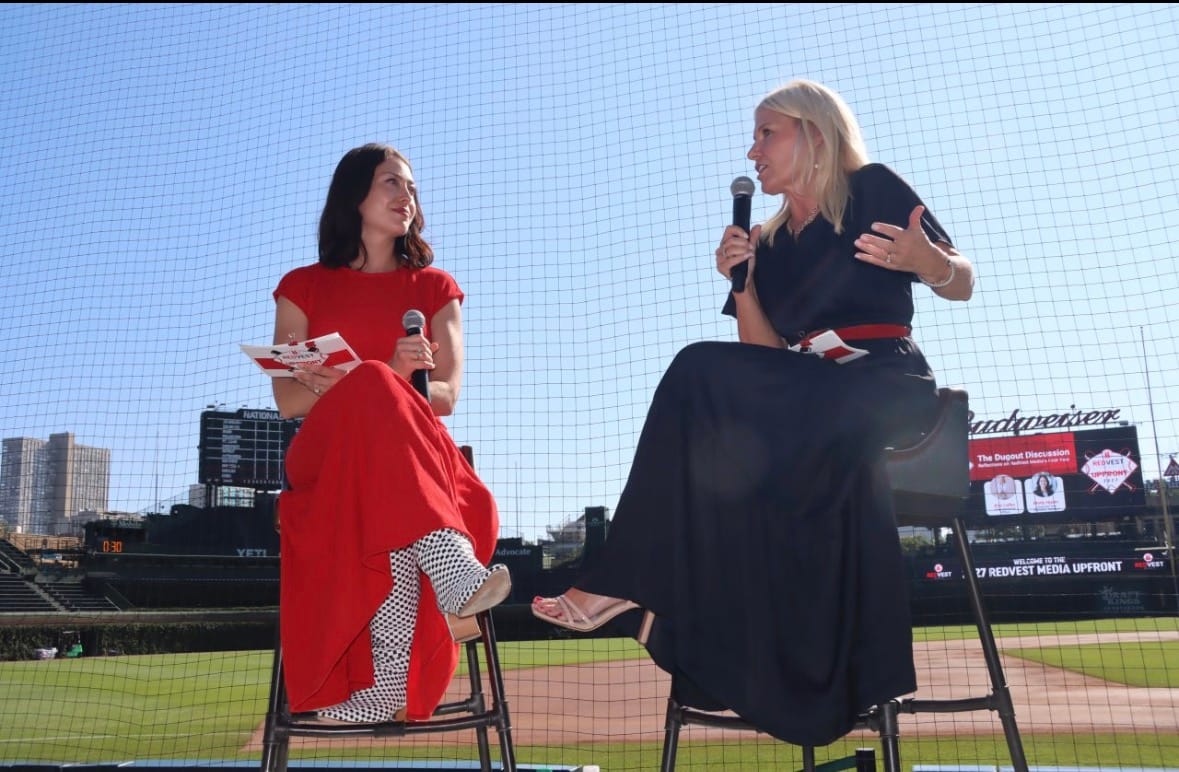
Images supplied by Ace Hardware
KM: John Surane took his turn on stage. What was he actually doing up there?
TL: He was kind of chief historian and chief morale officer to me. He made parallels to Wrigley and the Lovable Losers — the fact that there was a stadium that everybody loved to go to, but until they did a facelift and created digital screen signage in the outfield and the strip LEDs along the decks, they weren't able to attract advertising, or get enough excitement and then enough investment in the team to win World Series.
He talked about the same thing with Ace. A lot of people generally loved Ace, but they don't shop there anymore, and that was a few years ago. The numbers that he gave were, we spent thirty million in enterprise marketing however many years ago it was, up to now two hundred and forty. And then we've changed our top line from three billion to ten billion as a result.
So it was kind of like, we're investing, so you should invest. A lot of the retailers do that. Albertsons does BOGOs for their retail media program to say, hey, we've got skin in the game as well.
KM: Who is actually being asked to spend that money?
TL: The theme was basically trust. Do you trust us to take you on this journey?
There's a lot of people who came in who were at brands that make paint rollers, so it's not Benjamin Moore, it's somebody who's smaller and is sort of an add-on purchase where they don't have the brand recognition. How do I go back to this small, privately owned company and tell them that they need to do this?
And your brand — like a Vornado, or even Weber Grills within the Ace Hardware segment — might be run by the brand itself, but it might be run by a broker or a sales agent for many brands. When it's their money, their commission is on the line if you're spending more. So how do you get them comfortable with this? Doesn't mean that they don't want to do it. There are things that they need to think about.
KM: One of the launches was weather-triggered programmatic. Isn't that a fairly old idea?
ML: One of the things that Molly introduced was weather targeting, and I was kind of like, all right, that sounds like 2018 to me, maybe 2015. And then I was so shocked that both big and small advertisers were really excited about it. Talked to Rust-Oleum — Ally over there is saying, yeah, you can't use Rust-Oleum in January, so we really need this.
Now I think about it, the push for grilling and lawn care with Ace, it's a very entertainment sort of thing. It's not exactly home improvement. It is this sort of discretionary thing — I'll spend it if it makes sense. So certain innovations that we think are silly outside of maybe over-the-counter drugs and grocery are really important to this new segment.
That's one of the bigger things. This is a new segment of advertisers. Whether you think they're sophisticated or not, they may be sophisticated in certain ways, but they definitely haven't had the pedigree of a Mondelez or a Coke or Pepsi or P&G and Unilever in terms of dealing with all this. They have lots of questions about measurement. They have lots of questions about, are these things going to work.
KM: The DoorDash partnership seemed to be the one people were talking about.
TL: There were some really interesting stats there. Ninety percent of the DoorDash customers that come through this Ace channel — somebody actually goes into DoorDash and looks inside Ace's storefront — ninety percent are new to Ace. And it's all generally Gen Z. Just from that, it breathes a lot of life into Ace's consumer demographics.
Alison Fowler, Director of Media & Consumer Engagement Strategy at the brand Rust-Oleum, was really excited about the new-to-brand capabilities there. If there's ninety percent new to Ace, chances are there would be a big halo effect for a brand like a Rust-Oleum.
KM: Renting a ballpark isn't cheap. Is an upfront a better use of a retailer's money than sponsoring three conferences?
TL: Renting out Wrigley Field and getting people all there together, it's almost like a church congregation. It definitely helped that I had enough time there to do the batting cages twice — I was a believer by the end of it.
It's enough of a momentum push to get people to very quickly absorb the things that they're trying to say. We heard you over the last year. Here are the things that we're building out to make it even better. And if you were on the fence, now is the time.
The question is what is the alternative. The alternative in the past has been vendor days. Those are considered generally like, you've got to put your armor on. It's less of, hey, believe in us. It's more like, okay, show us why you're a cool brand. It's almost like you're auditioning. So there is a real difference when the retailer's the buyer versus when the retailer's the seller.
I love going and listening to what's the new tech or where's the future going, and that's generally what the Shoptalk Grocery and Shops have focused on. But who better than the retailers themselves to open up the door and talk about the brand and their experience with the retailer? I think they own that. Obviously it's just the retailer telling a positive story — that's not going to change in terms of an upfront. But it's hard not to get some value out of it if you're able to walk around and talk to people about what they just heard.
What I'd want to know next. If Tom's read is right, Ace's distribution problem is that its store owners each make their own calls about what goes on the shelf. RetailerReach is a media product pointed squarely at that problem, and I haven't seen another RMN try it in quite the same way. I'll be interested to track this one.
Tom's own episode with Molly Hjelm is out now on The Middlemen Podcast. Go there for the operator's side of it.