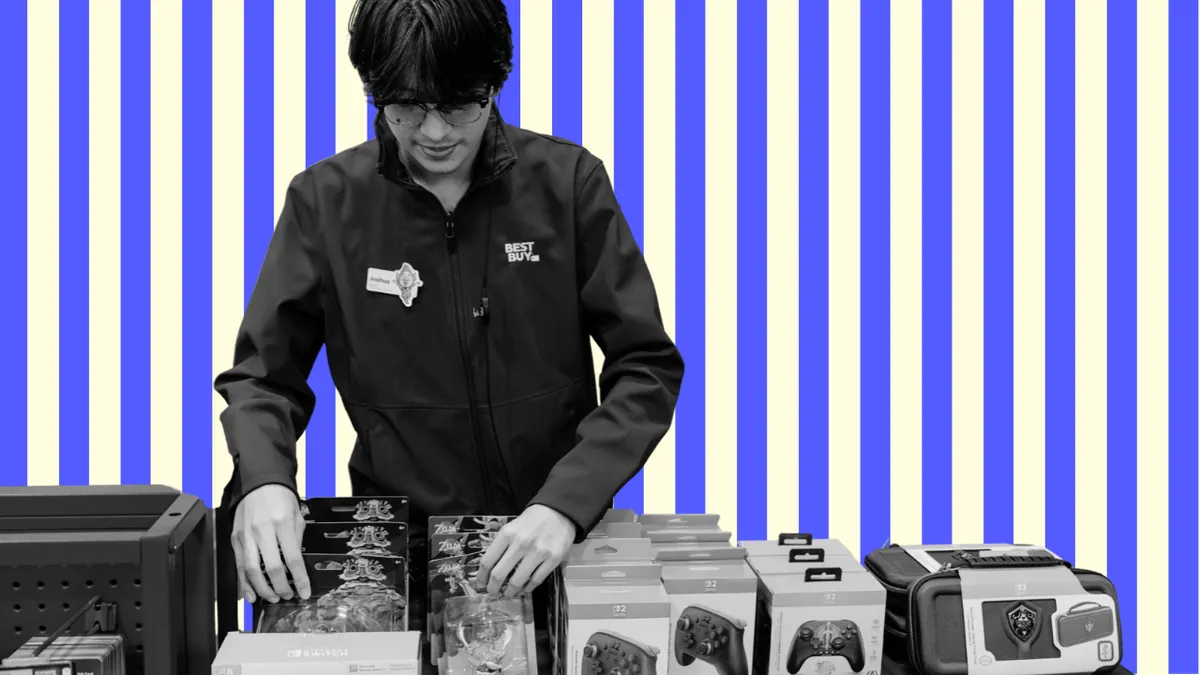
The worldwide frenzy over Grand Theft Auto VI late last week made the size of the gaming audience hard to ignore. The game made $3.79bn in retail sales on launch day. Yet as I wrote in my column for The Drum on 10 November, advertisers still under-buy gamers, with even fewer intentional tie-ins within the retail media world. Best Buy sees the massive opportunity in the gaming audience and is showing how RMNs can lean fully into fandom.
"It was so freaking wild," Lisa Valentino told me. Best Buy's chief ads and media officer had been up past midnight the night before. But it wasn't for a scandalous ad industry party. She was at the retailer's Union Square store in New York for the launch of The Legend of Zelda: Ocarina of Time. Valentino seems like a great hang, so I take her endorsement at face value.
The line to the store wrapped around the corner. The first fans in it had been there since 7am, she told me. Some came in costume. One couple brought their newborn in a stroller.
Gaming is a much bigger audience than most marketers picture. According to IAB's The Business Case for Gaming, published in August, 67% of Americans aged five to 90 play video games for at least an hour a week. That's about 212 million people, or 87% of the reach of connected TV. But gaming only gets about 2.4% of US digital ad spend, roughly $9.2bn this year, which is about a quarter of what CTV gets.
Advertisers under-buy gaming partly because it's hard to tie gaming ads to what people buy. Of course, tying ads to purchases is retail media's whole pitch. And Best Buy is uniquely set up to meld a large, under-funded audience opportunity with its robust advertising stack.
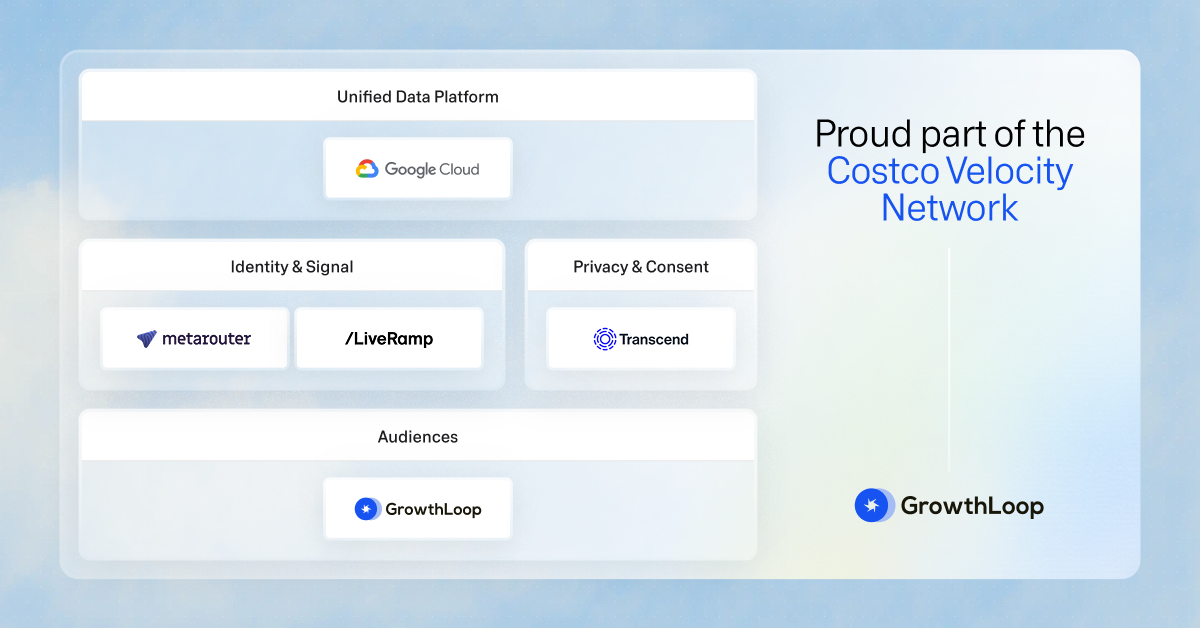
Costco isn’t scaling its RMN with legacy adtech and manual solutions. It’s leaning into a cloud-centric, composable stack.
As part of the Costco Velocity Network, GrowthLoop empowers the retail media team to build audiences directly from the data cloud, enabling faster activation, greater relevance, and better performance — all while maintaining privacy and governance standards.
The result? Exceptional value and experience for Costco members and better ROI for brand advertisers.
Learn why the GrowthLoop Composable Commerce Media solution was the right choice for Costco’s Velocity Network.
More than a demographic
Valentino got more animated when she talked about who was in that line. Gaming spans every demographic, she said. "It is culture and it is this phenomenon."
For Best Buy, she said, "gaming is so much more than a category. It really is about passion and fandom, and it's where we see our customers play, create, drive community, compete." Best Buy counts 43 million adult gamers in its audience, across hardware, software and accessories.
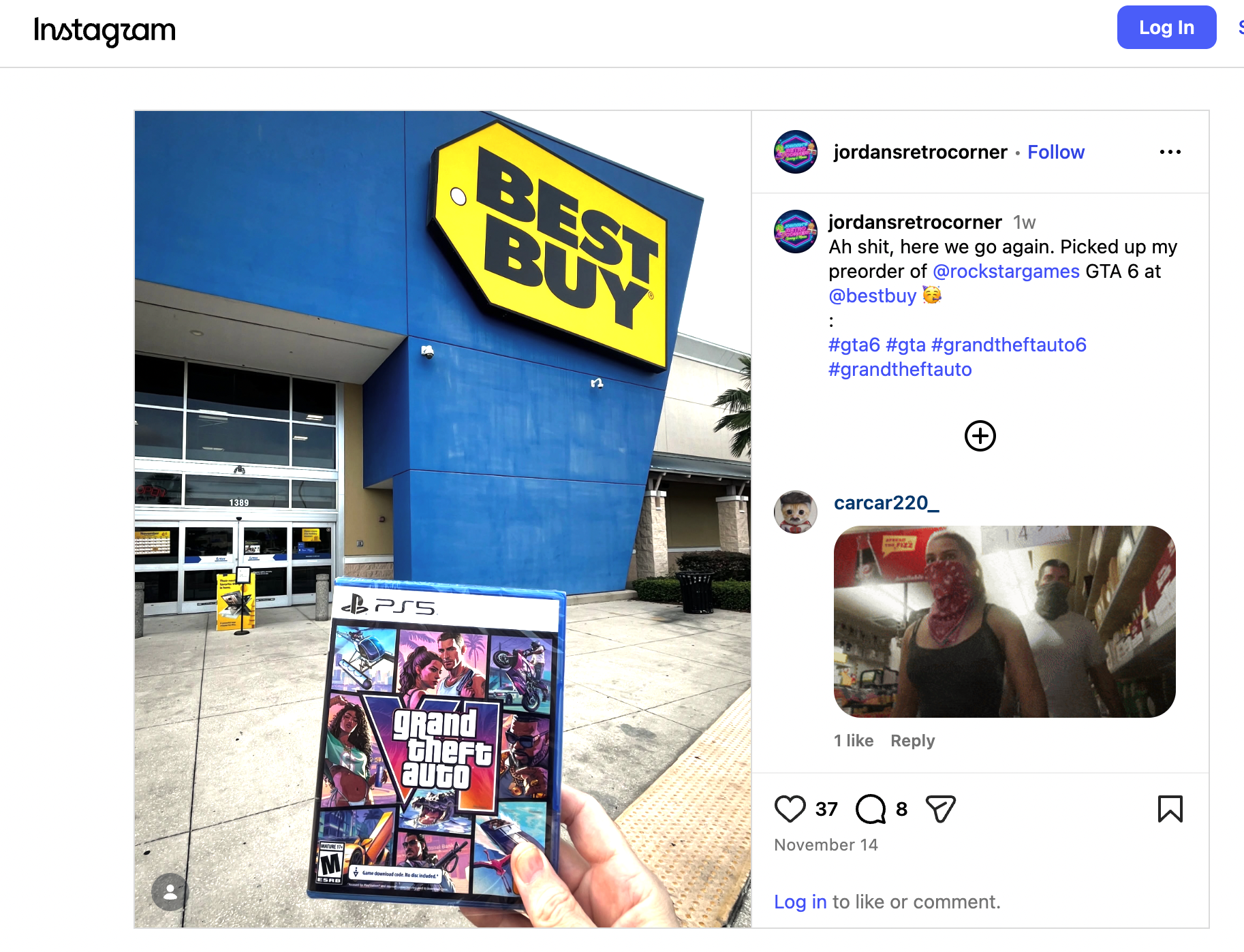
All that passion talk has a commercial edge. Gamers can buy most games straight from Sony, Nintendo or Microsoft, and GTA VI showed how far that has gone: Rockstar released it digital-only, so even the boxed copies on store shelves hold a download code.
"Retailers must build those relationships between and beyond purchases, especially when the customer can easily acquire the game itself directly from the platform," said Michael Arzt, director of IAB's Experience Center for gaming.
Best Buy's answer to that threat is Best Buy Gamers, a free hub on its website and app that launched in beta on 20 October. It combines reviews, articles and videos from IGN (a video gaming and entertainment media website) with preorders, deals, sweepstakes and store event listings. Gamers can set up a profile listing their platforms, favourite genres and how they like to play. Best Buy Ads sells placements inside it.
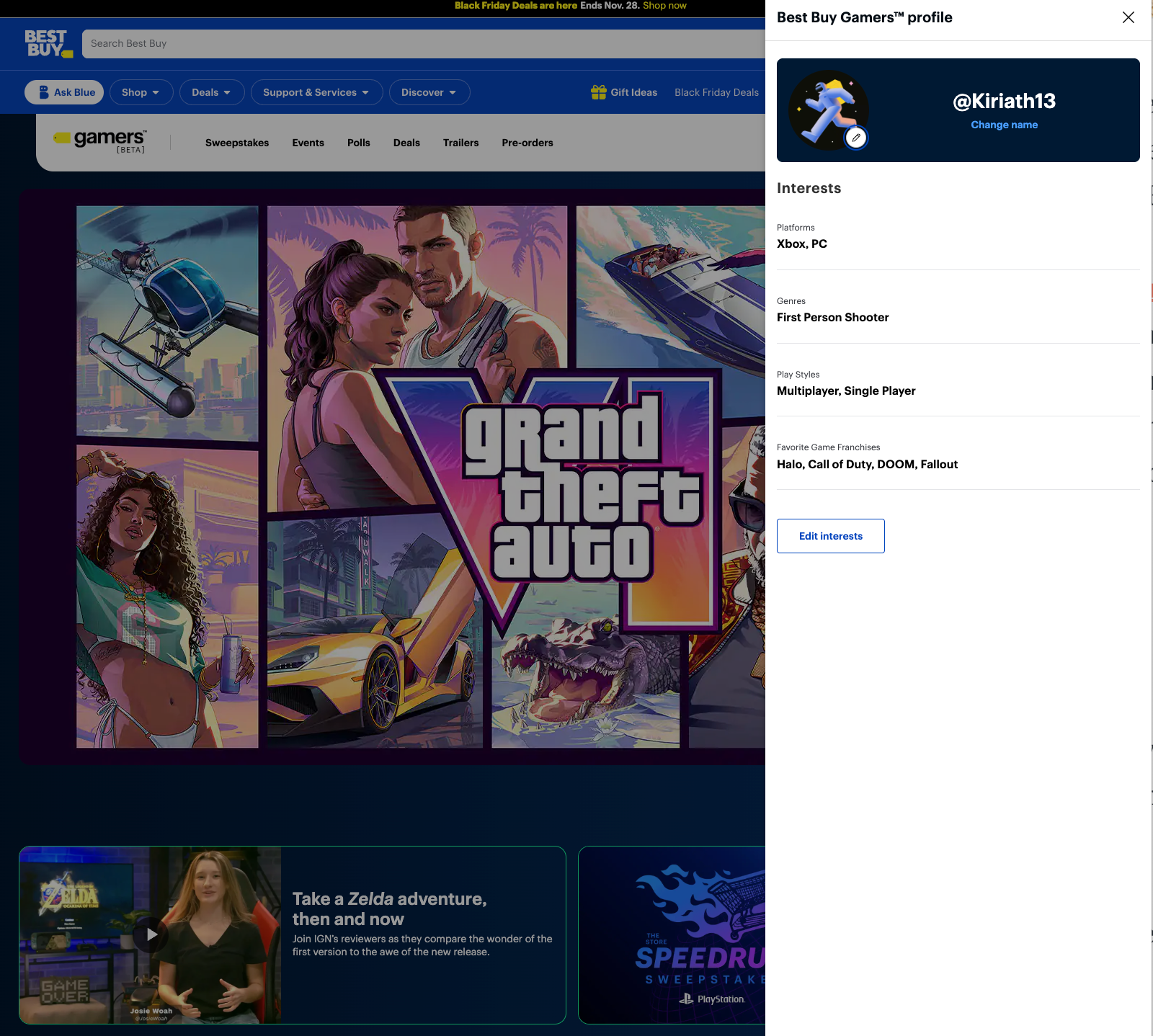
These profiles are the interesting part for retail media. It's information people tell Best Buy directly about themselves, on top of what they buy. Marketers call this "zero-party data": information customers volunteer about themselves, as opposed to what's inferred from their behaviour.
Arzt shared a warning: "Simply collecting more profile fields, by itself, isn't what creates a community."
Valentino seems aware of that. She said the "beta" label is deliberate, a signal to gamers that Best Buy wants their input. "Anybody who has spent time in gaming, the authenticity is everything," she said. "We don't want to be a push. We really want to pull the community through." She said it's too early to share engagement numbers.
Customers want the midnight opening back
Late-night launches are "something that we used to do a lot of back in the day," Valentino said. "And customers clearly want that back."
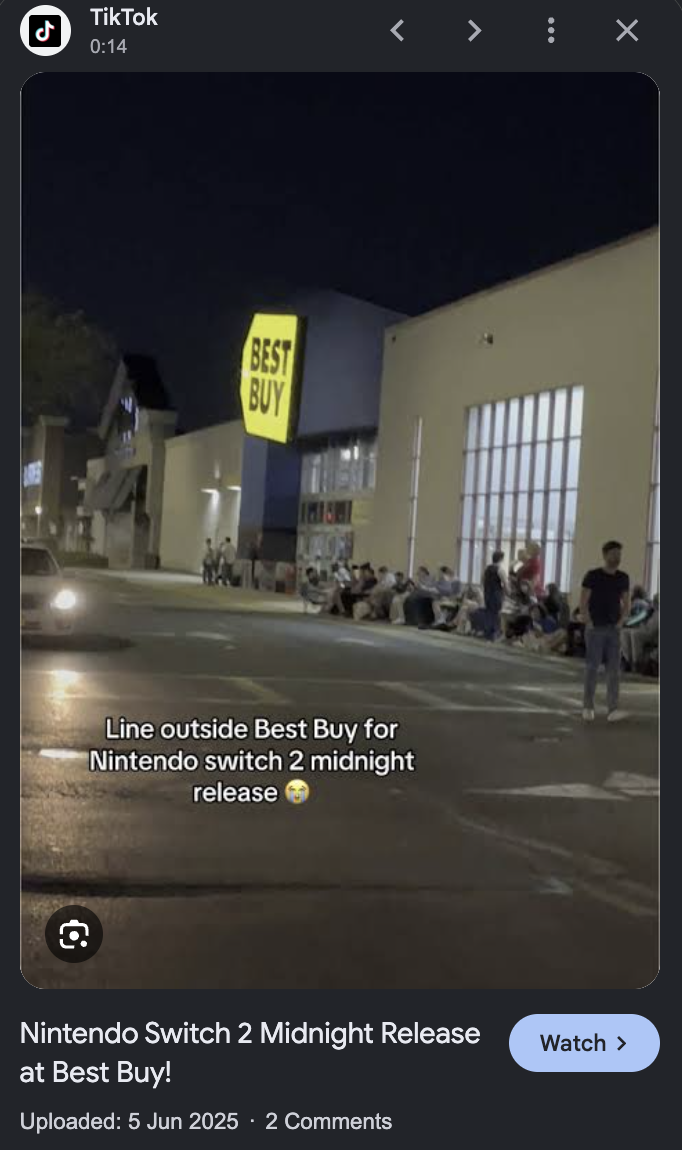
Best Buy brought them back for the Nintendo Switch 2 last year. The company says that launch produced the highest single hour of preorder traffic in BestBuy.com's history.
But the next step is permanent. Best Buy is opening a dedicated gaming space in its Torrance, California store where gamers can play new titles, get tips and attend events hosted with IGN.
This is where Best Buy has an edge over the platforms that sell games directly. In stores and at events, it can connect the online side of a fandom with the physical one. I think that matters more as AI assistants answer more shopping questions before anyone sets foot in a store.
Beyond endemics
The obvious buyers are the gaming companies. Valentino said Best Buy's plans with Nintendo for the next year will be "bigger than we've ever done anything before with that company."
But the pool of endemic advertisers is limited. The bigger opportunity is everyone else. Best Buy Gamers launched with three sponsors: PlayStation, AMD and Instacart, the first non-endemic brand (one that doesn't sell gaming products) to sign on.
Valentino said food and quick-service restaurant brands, delivery services, and media and entertainment companies often name gamers as a target audience, "called out very, very specifically." Arzt made a similar point: gaming communities work a lot like sports fandoms, bringing together people whose interests extend to food, fashion and entertainment.
For those brands, the case rests on relevance. A grocery delivery ad built around a Zelda launch night is a different proposition from a generic one. Best Buy is selling them onsite placements, creator content, social amplification and sweepstakes, and Valentino expects in-store sampling, couponing and discounts to follow.
Proving it
Measurement is where a lot of gaming budgets stall. Arzt was careful about what retail data can prove. "Connecting an exposed audience to subsequent purchases answers a different question from whether the advertising caused additional purchases," he said.
A retailer only sees its own channels, he added, while a console purchase can involve weeks of research and plenty of other marketing. His suggestion is to combine retail sales data with control groups or experiments, "rather than treating every tracked sale as proof of incremental impact."
Best Buy should be well placed to run the kind of tests Arzt describes. At its first ad showcase, the company said it ties 93% of its sales to an identified customer.
The IAB will also release a Gaming Outcomes Framework on 9 December, meant to help brands agree upfront on what evidence counts as success for a gaming campaign.
Widen the definition of a gamer and it includes my mum, playing free, ad-supported sudoku. It includes me, helping my son look up game tips online and research his next console. It includes the 32.5 million people who preordered GTA VI, and the fans all over my social feeds this weekend, driving to their local store to pick up a box with a download code inside.
Valentino's word for the midnight opening was wild. The word advertisers will want next is incremental. Best Buy doesn't have that number yet, but few retailers are better placed to find it.