
The Cannes Lions Festival of Creativity is, on paper, about the awards — the Lions handed out each night to the brands and agencies behind the year's best advertising. The week builds to the Film category on Friday, the headline moment that closes out the festival.
The typical audience for this newsletter doesn't stay for it.
By Thursday noon, the cabanas and yachts that are rented by the ad platforms, the ad-tech firms, the retail media players my readers work in and around are being broken down. The road back to Nice airport fills up with commerce-media people nursing hangovers and heading home to sleep through the weekend. A day and a half before the brands who came to celebrate creativity get their big finish, we're out of there.
In fact, Creative Commerce — the Lion named for the thing all these people actually do — was awarded Thursday night, June 25. Most of the commerce media crowd was on the highway by then.
This isn't a new observation. The brands post up in the Palais with the festival programming and the creative showcases; the retailers, vendors and agencies sweat it out up and down the strip. I wrote about that geography last year, and it hasn't moved much.
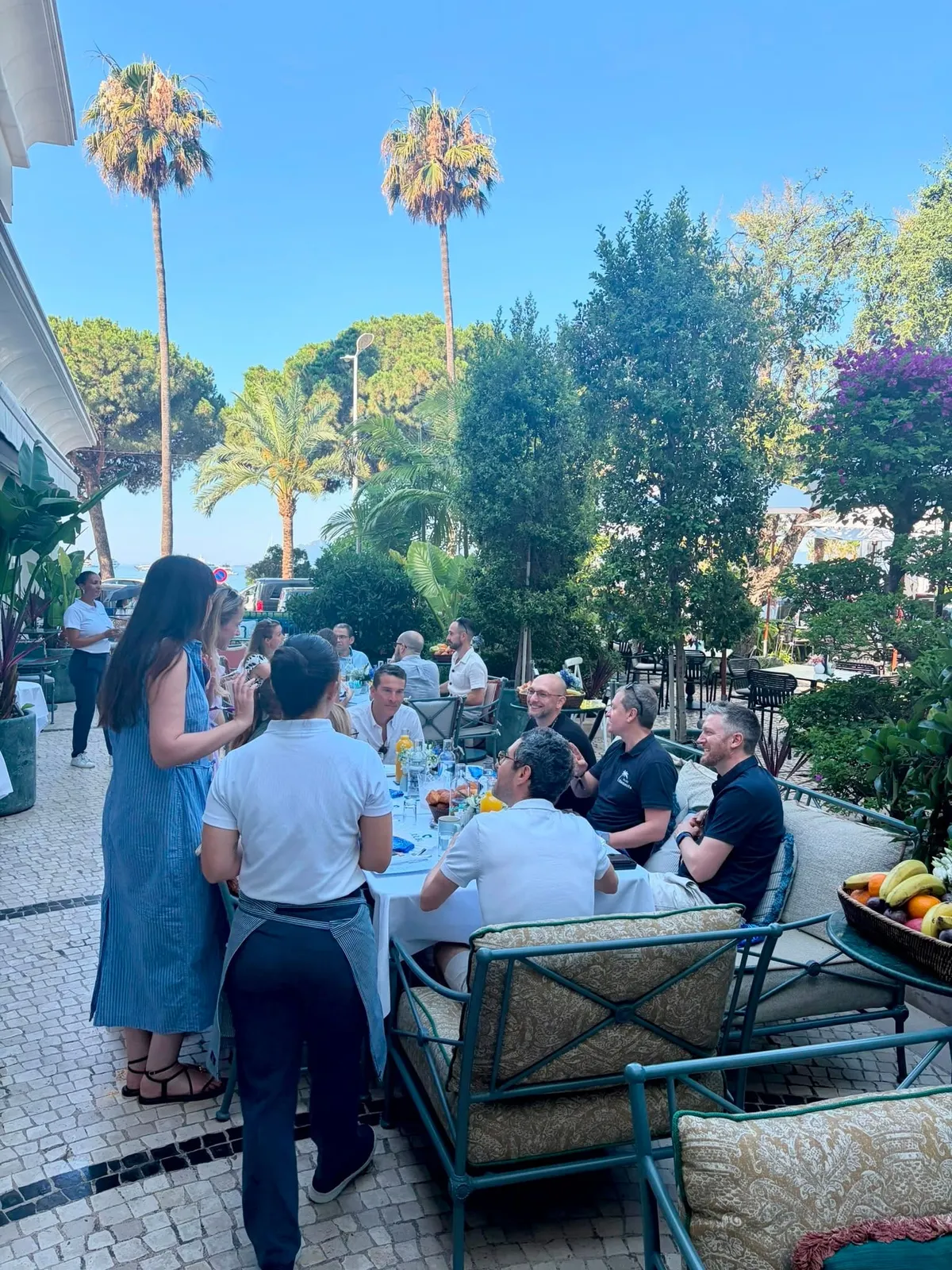
What it does mean is that a Thursday-morning breakfast is the last real window to get our corner of the industry in one room for a debrief before everyone scatters. So that's what I did — an invite-only breakfast with Mirakl Ads, who sponsored the event.
Here's some of what was on their minds.
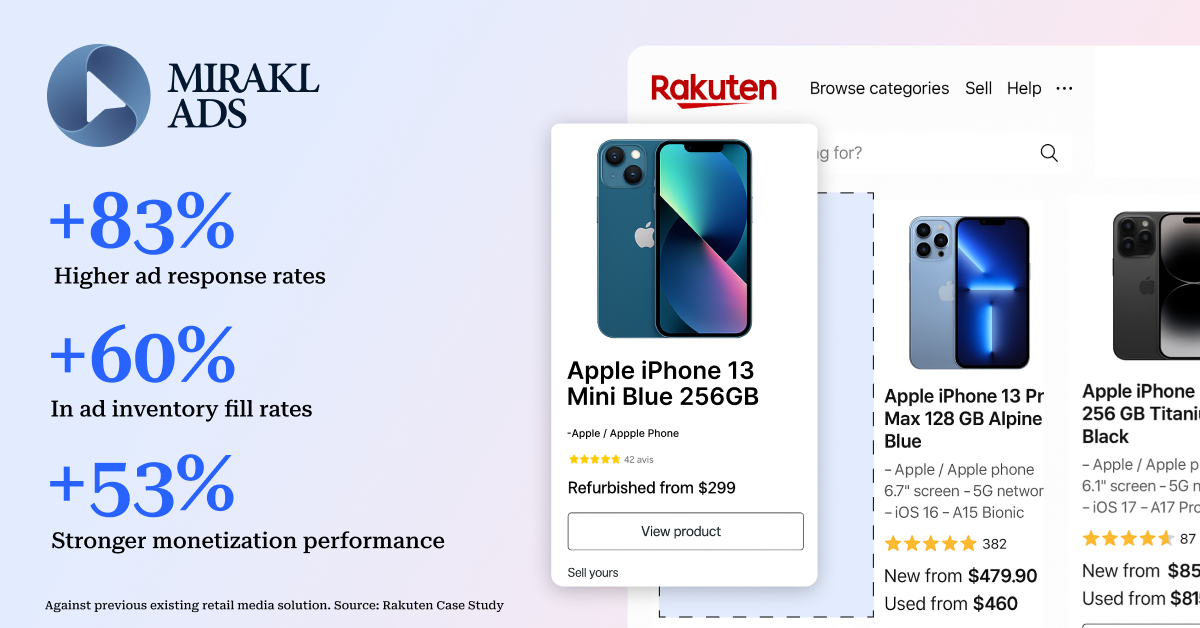
Mirakl Ads is the ad-tech solution trusted by Rakuten and 50+ global enterprise retailers.
That’s because Mirakl Ads was built with both 3P marketplace sellers and 1P suppliers in mind. Both advertiser audiences demand a seamless advertising journey from onboarding to reporting.
You can offer everything from Sponsored Products to video all in one solution.
A year on, the divide hasn't closed — it may have widened
Last year the complaint was that the retail media world and the creative world barely occupied the same square mile. This year I went in curious whether anything had shifted. The honest answer from the room: not in the direction you'd expect.
Several attendees clocked fewer retailers on the ground than last year, or said they'd been harder to find. One European marketplace exec felt the whole week carried less retail-media substance than the year before — that the interesting conversations had migrated to the side events and breakfasts rather than anywhere on an official stage. One ad-tech veteran who'd been at an official Lions-programmed panel the night before noted there wasn't a single retailer on it. Print and brand people, yes. Retailers, none.
The split is still very much intact.
But there was one exception that I noticed. Dollar General Media Network (DGMN) brought its CMO to Cannes, along with its head of retail media, Austin Leonard. It was also the first year that DG attended Cannes as a media network, and Austin brought his CMO along to see what the thing is.
That's a small data point, but it points somewhere. Bringing the CMO is a way of telling the broader organization that retail media isn't a side hustle bolted onto the P&L — it's part of how the company shows up to its brand partners. When the media team needs to fund something that'll move the business — better enterprise plumbing, a deal to get a big advertiser over the line — leadership now understands it well enough to put money behind it.
One retailer doing this doesn't close a divide. But it does show a retailer who's treating Cannes as a place to plant a flag.
In-store screens: still the hard part
What was new this time was more of a focus around in-store retail media, and a sharper conversation about the screens themselves. Not every screen is a media asset. A retailer can order a pile of displays, bolt them to the wall, and discover they've built something brands don't actually want to appear on — wrong brightness, wrong placement, no thought to whether the content suits the environment. The bar for a screen a brand will pay to show up on is higher than "it's a screen."
And context decides the job. One retailer at the breakfast is wary of in-store screens precisely because the format would do its job too well — stopping shoppers in their tracks in a store designed around speed and throughput. A pharmacy chain sees it the opposite way: people sit and wait in their stores, so a screen catches genuinely idle attention. Same technology, opposite use case. There's no portable best practice here, which is a theme that comes up every time in-store is on the table.
Measurement is the recurring sticking point, and the European voices were the most skeptical. The worry: an in-store screen often amounts to playing a TV ad to a crowd you can't identify and can't follow to a purchase. Without that link, it's hard to prove the spend did anything — and harder still in markets where privacy rules foreclose the tracking that makes online retail media legible.
That measurement gap is part of what made one announcement during the week land. Mirakl Ads — the breakfast's sponsor and sponsor of this newsletter — and Broadsign announced a partnership to let advertisers buy and measure online and in-store inventory through one campaign brief, with Mirakl Ads powering the network and Broadsign handling the in-store delivery. The integration is slated for Q3 with beta testing underway. Whether unified buying meaningfully closes the in-store measurement gap is the open question — but the demand for someone to try is real.
The microdrama as a creative answer
The most interesting thing I came away thinking about wasn't a screen or a stack. It was a piece of content.
During the week, Albertsons Media Collective and Procter & Gamble premiered "Rico's Tacos" — a short-form scripted microdrama, built with the platform Minivela and production company Brilla Media, following a Southern California family trying to start a taco business. It runs in one-to-two-minute episodes through August across Albertsons' YouTube, social, and in-store channels.
What makes it more than a PR novelty is the order of operations. The shopper insights from Albertsons' media network shaped the creative at the outset — informing the story, the audience, the brand fit — rather than getting bolted on afterward to target and measure a thing that was already made. That's a different use of retail media data than the industry's default. We're used to first-party data as a targeting and measurement tool, applied at the end. Here it's a creative input, applied at the start.
I'll reserve a full review for when I've actually watched the thing — produced branded content lives or dies on whether it's any good, and a retail media network producing a scripted series is a long way outside the comfort zone of the sponsored-product ad. But it's a real attempt to make retail media creative that isn't, frankly, the stuff that bores everyone. And it's the kind of work that needs the better in-store screens from the section above to land — content built for the format, not a static ad shrunk to fit.
Where this leaves us
The divide cuts both ways now. Retailers are inching toward the brand world's territory — bringing CMOs, producing actual content, treating Cannes as a stage rather than a sales floor. And the brand and creative world keeps backing into commerce, whether it shows up to claim its Lion on Thursday night or not. Two crowds that left last year's festival barely overlapping are, slowly, working the same problem from opposite ends.