
In 2020, I co-authored a book called Instacart for CMOs. It was the follow-up to Amazon for CMOs, which had done well, and Instacart was the only other retailer I chose to endure the pain of writing a book about. That's because at the time, most consumer marketers misunderstood it. I thought it was one of the most under-recognized marketing channels available to them.
Six years later, nobody would call it under-recognized. Instacart's ads and other revenue hit $297 million in Q2, up 16% year-over-year and roughly 28% of the company's total revenue. And DoorDash is reportedly in advanced talks to buy the company for around $17 billion.
The public story will be about delivery, and about the real wolf at the door, Amazon and Walmart. But the real money is in the ads. Both companies run ad businesses worth more than a billion dollars a year, and ads are widely understood to be the highest-margin revenue either one earns.
I'd bet the ad business is getting plenty of airtime in the deal room right now.
So what would a combined DoorDash and Instacart mean for retail media? On balance, I think it's good for the ecosystem. For advertisers specifically, I’m less sure, and so is my network. This week’s LinkedIn poll split almost exactly 50-50.
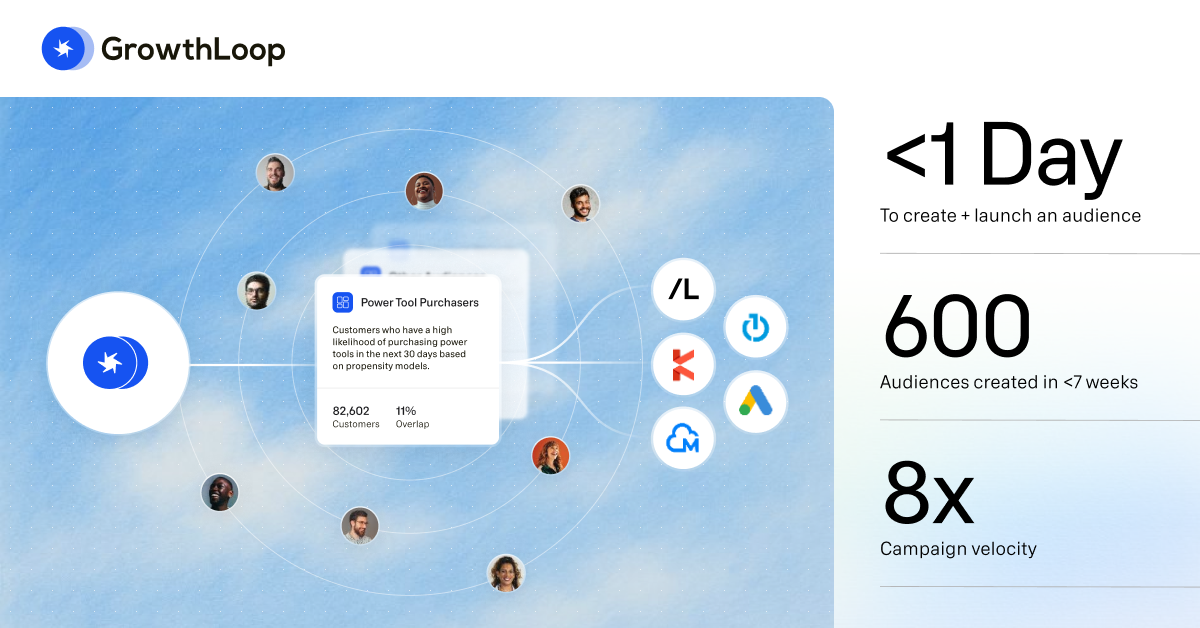
Your advertisers can’t wait weeks for audiences.
GrowthLoop’s Composable Commerce Media solution helps media teams turn first-party data into high-value audiences, launch campaigns faster, and prove what’s working across every channel.
Learn how retail media leaders at Costco, Fanatics, and Gopuff use GrowthLoop to create highly segmented audiences and deliver stronger results for their brand partners.
A true weapon against Amazon and Walmart
Retail media is dominated by Amazon and Walmart. Both earned their place through years of heavy investment, but it's still a perilously concentrated market. That's especially true for CPG brands that do most of their sales in physical stores, where Amazon can take a far bigger share of the retail media budget than it delivers in actual sales — because its ad platform is that good.
Instacart and DoorDash have good ad platforms too, with a strong reputation among high-volume media buyers for ease of use, audience targeting and reporting. On their own, each would simply nip at the heels of Amazon and Walmart on ad tech and talent. Together, they’d be a much stronger competitor — with most brick-and-mortar retailers rooting for them.
Their relationship with retailers is complicated. Instacart opens up new demand for grocers, but it also takes ad spend that might otherwise go to a retailer's own media network. And DoorDash, through DashMart, is a retailer itself. Still, in the long war of attrition against Amazon and Walmart, most grocers treat these companies as allies.
If I'm Kroger, would I rather get all those orders and all that ad revenue directly? Sure. But if Instacart brings me customers who'd otherwise be shopping at Walmart, count me in.
The full ad stack for every other grocer
And the more grocers pour into their own media networks, the less keen they’ll be to watch brand budgets flow to Instacart instead.
Carrot Ads is Instacart's answer. Rather than compete with retailers for those dollars, Instacart sells them the ad tech to run their own network, and earns a technology fee while the retailer keeps most of the revenue. More than 310 partners now use it, and Gopuff signed on in September. (I spoke with Gopuff's head of ads about why for my Drum column.)
DoorDash, meanwhile, bought Symbiosys in 2025, which runs offsite campaigns across search, social and display for retailers' media networks. Dollar General, for example, uses it to run Meta campaigns for brands and sponsored product campaigns that span its own site and its DoorDash storefront.
Put Carrot Ads onsite and Symbiosys offsite under one roof, and a regional grocer could buy a complete retail media setup from one vendor, with thousands of brand advertisers already attached.
Fellow industry analyst Andrew Lipsman,, made the case for that aggregator role in a comment on a LinkedIn post: "Instacart's valuation has always been tied to the ads business, and there's huge upside there as an ecosystem aggregator for all the regionals. None of those grocers can sustain a retail media business without standardization and consolidation, a role that Instacart is well equipped to play."
The catch is that the vendor would also own DashMart, which competes with those same grocers for orders. Some retailers who were comfortable handing their ad stack and shopper data to Instacart may think twice about handing it to Instacart's new owner.
Won't someone please think of the advertisers?!
I asked my LinkedIn network whether the deal would be a net win or a net loss for advertisers. At the time of writing, the peanut gallery is roughly split 50-50.
 Kiri Masters

The case for advertisers is easiest to make for smaller brands. Instacart and DoorDash both aggregate retailers that a single CPG might not have the budget or team to buy individually . One place to plan campaigns, one set of reports and one account rep would make it easier for a brand that has tested one platform to try the other. Erik Joergens-Kokate, On Demand Delivery (ODD) Lead at Mars Snacking, wrote in a comment on my poll: "I think consolidation could benefit the challenger brands, but less clear for established brands."
For the CPG conglomerates already spending on both platforms, I can't see a lot of budget collapsing. The two reach different shopping occasions. Your weekly Instacart shop at Costco is a different trip from your frozen pizza and ice cream Dash on movie night.
Big brands might lose some leverage, though. Today, if prices climb on one platform, there's somewhere else to move the budget. After a merger, the somewhere else is the same company.
And those are three main reasons why Doordash acquiring Instacart would be a net benefit to the retail media ecosystem. Of course, I'd love to learn more from the nearly half of people who think that advertisers would be worse off! Please share in the comments or DM me for a potential follow-up.